Detailed Installation Process & Product Introduction of T Post
1. On-Site Cleaning and Positioning Marking
Clean the fencing site thoroughly to remove weeds, stones and debris, and level uneven ground for a flat construction base. Accurately mark the mounting positions of T posts and fence laying range with professional measuring tools.
Set standard T post spacing at 2–3 meters for general livestock fencing; shorten spacing to 1.5–2 meters for high-impact cattle farm enclosure. Bury 1/3 to 1/4 of the total T post height underground to enhance wind load resistance and anti-collision performance against livestock impact. Keep all marking lines straight for a neat, linear overall fencing layout.
2. Foundation Digging and T Post Fixing
Dig mounting holes 1.2–1.8 times the T post flange width, clear loose soil and gravel at the hole bottom to avoid tilt and unbalanced bearing stress. Place galvanized T posts vertically and calibrate their verticality with a plumb line, then fix temporary wood bracing to prevent lateral offset during foundation curing.
Fill holes with high-strength concrete and tamp tightly layer by layer to eliminate internal air bubbles. Keep the concrete backfill surface 2–3 cm higher than the original ground to avoid rainwater waterlogging and base corrosion. Allow concrete to cure for at least 24 hours; extend curing time to 48 hours in low-temperature, rainy and humid weather for permanent stable fixation. For soft grassland sandy soil, adopt direct piling installation without concrete backfill to improve construction efficiency.
3. Fence Mesh Matching and Positioning
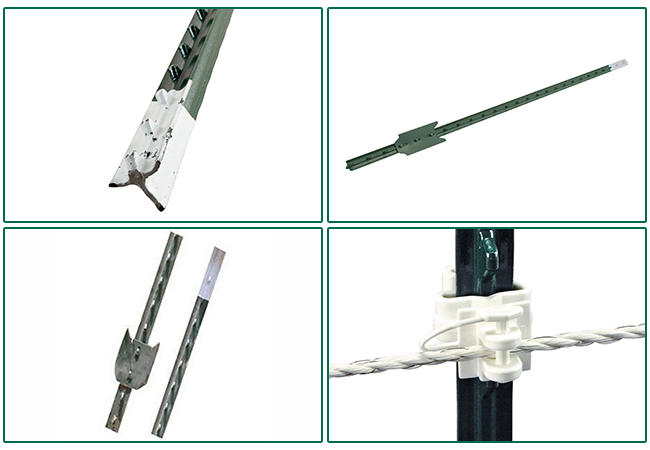
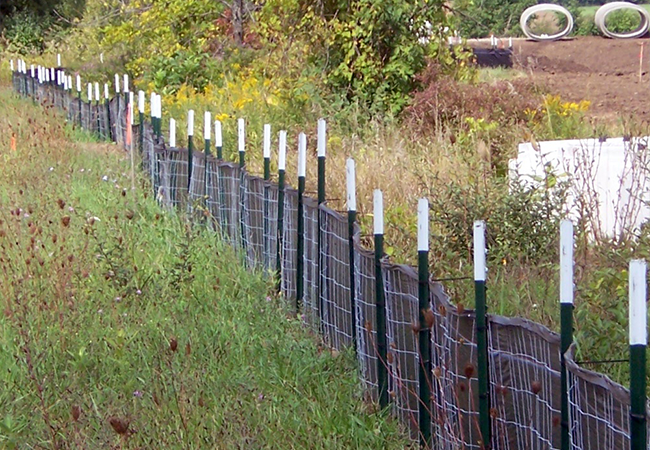
After full concrete curing, inspect all T posts for no bending, surface coating damage or mounting lug blockage. Match farm hinged fence, welded wire mesh or barbed wire with standardized lugs on T post sides for aligned assembly.
Adjust overall fence height to keep 5–10 cm clearance from the ground for mud-proof and anti-corrosion protection. The asymmetric lug design of T posts allows flexible angle adjustment, adapting to sloped farmland, undulating grassland and irregular terrain. Reserve 3–5 mm assembly gap between adjacent fence panels for thermal expansion contraction, and fix fence materials preliminarily after positioning calibration.
4. Accessory Fastening and Fixed Installation
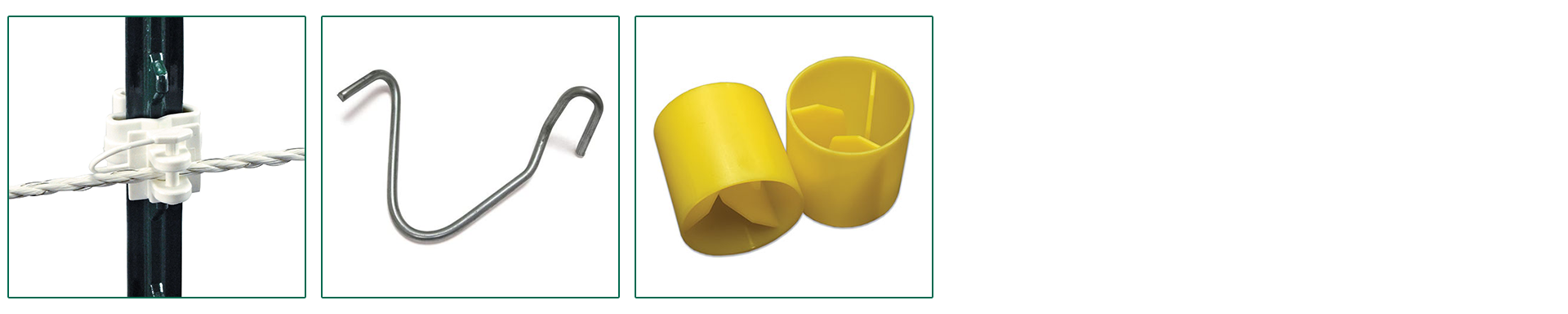
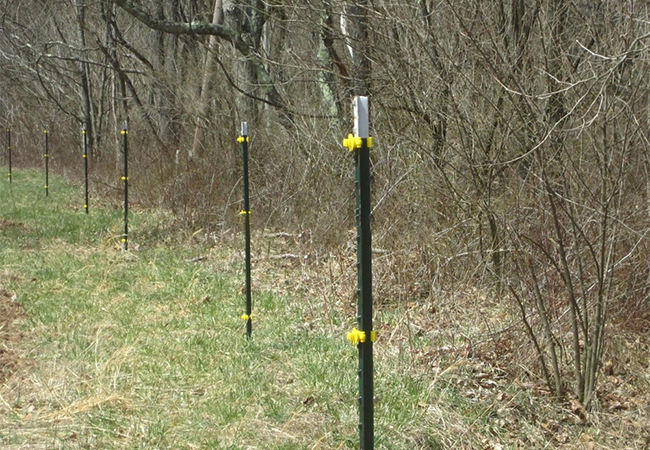
Equip matched dedicated accessories including anti-rust fence clips, plastic post insulators, anti-loosening gaskets and heavy-duty steel fasteners. All accessories feature high anti-corrosion, anti-falling and weather-resistant performance for long-term outdoor farm pasture service.
Install and fasten clips and insulators evenly on T post reserved lugs with professional fencing pliers, avoiding over-tightening coating damage or insufficient clamping force causing fence detachment. Strengthen fastening points at terrain turning corners, fence docking joints and high livestock collision areas, inspect every clip mounting position one by one to eliminate installation hidden dangers.
5. Overall Calibration and Quality Inspection
Recheck T post verticality, mounting height and linearity with level tools to ensure no skew, height deviation or offset arrangement. Shake fixed fence and T posts gently to confirm integral structural firmness, without post shaking, clip loosening or base displacement.
6. Surface Cleaning and Project Acceptance
Verify terrain adaptability of full-set T post fencing system, confirming posts bear uniform force at slope turning positions without bending or lug fracture. Adjust offset posts and loose accessories to meet standard farm fencing construction specifications.
Clean mud, concrete residues and construction stains on T post galvanized/PVC coated surface to protect integrated anti-rust protective layer. Do not use strong acid corrosive detergents to avoid surface coating peeling and metal substrate oxidation.
Installation Notes
Complete final project acceptance by checking T post mounting spacing, verticality, foundation firmness, accessory fastening tightness and surface coating integrity. The whole installation is qualified only when no post bending, coating damage, base loosening or accessory falling off is found.
Wear standard safety protective gear including gloves and safety shoes during construction. Avoid violent knocking, scratching and extrusion on T post surface to protect anti-corrosion coating and integral stamping structure, ensuring long-term stable bearing performance for farm fencing scenarios.
T Post | Professional Farm Fence Post from BENDIN
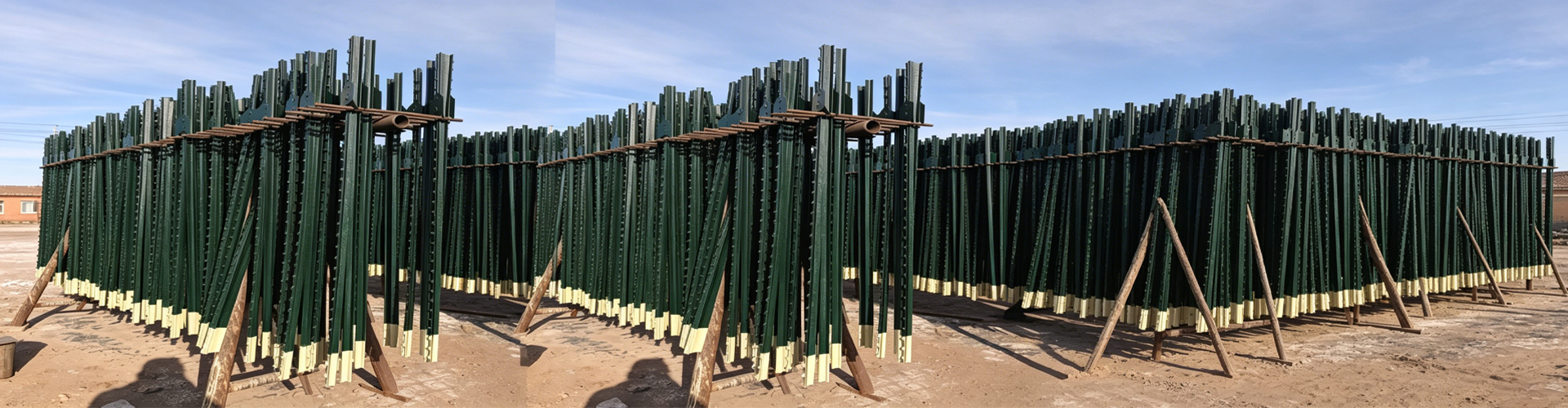
Located in Anping, China’s famous wire mesh & fence post hometown, Hebei BENDIN Technology boasts 30+ years of agricultural metal post manufacturing and exporting experience. Our heavy-duty farm-grade T Post is a dedicated load-bearing fencing support product, specially developed for pasture and farm enclosure, replacing ordinary round posts and angle posts with higher bearing capacity and lower installation cost.
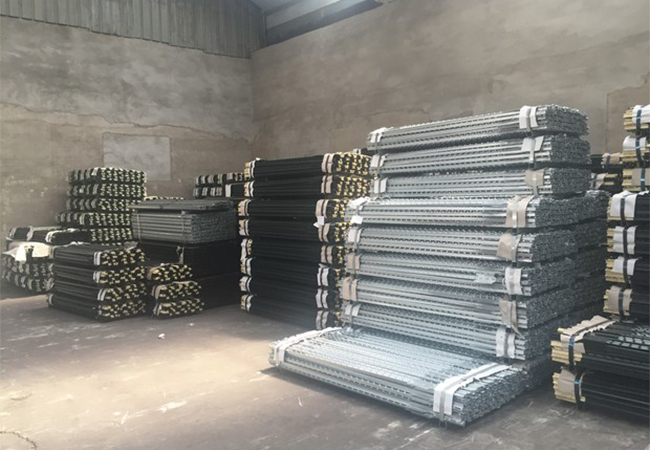
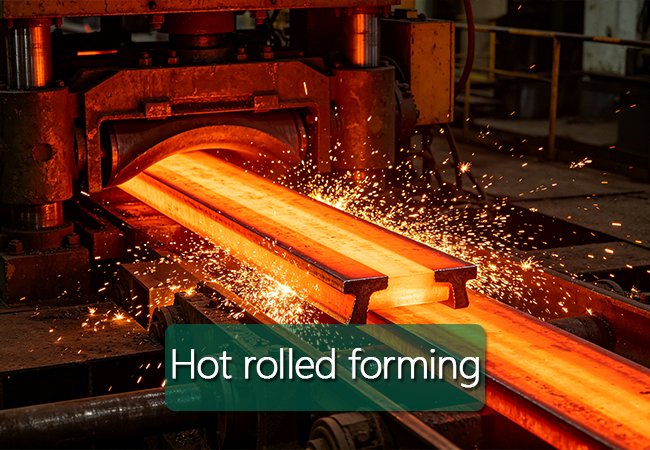
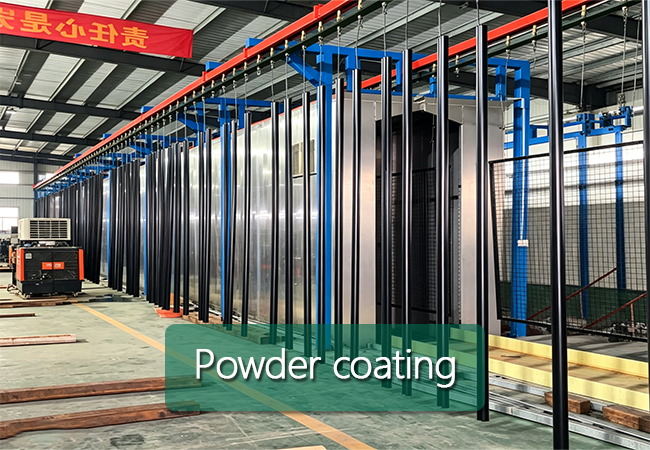
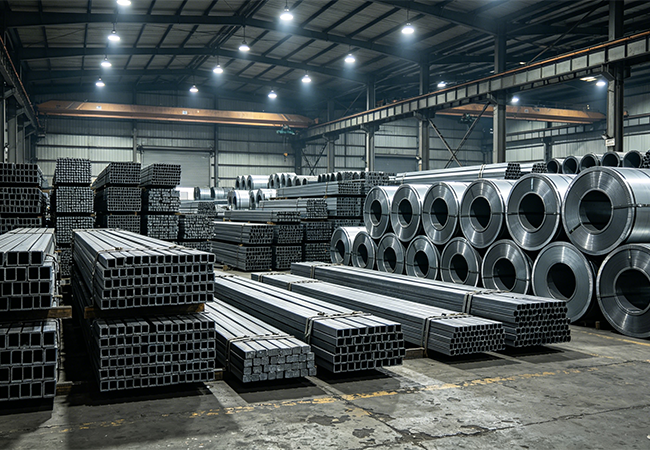
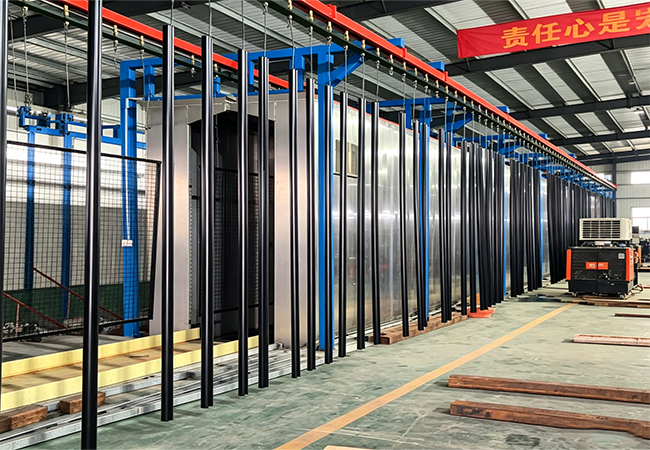
Made of high-quality hot rolled low-carbon steel via integral cold bending stamping molding, integrated side anti-slip lugs are formed in one piece without welding splicing. It features high compressive strength, anti-bending performance and strong impact resistance against cattle, sheep and large livestock collision. With hot-dip galvanized or green/black PVC powder coated surface treatment, it delivers outstanding rustproof, UV-resistant and extreme weatherproof performance, with a service life of over 20 years for outdoor farm, grassland and pastoral scenarios. Conventional customized sizes: 1.2m, 1.5m, 1.8m, 2.1m, 2.4m.
Wide Application of T Post
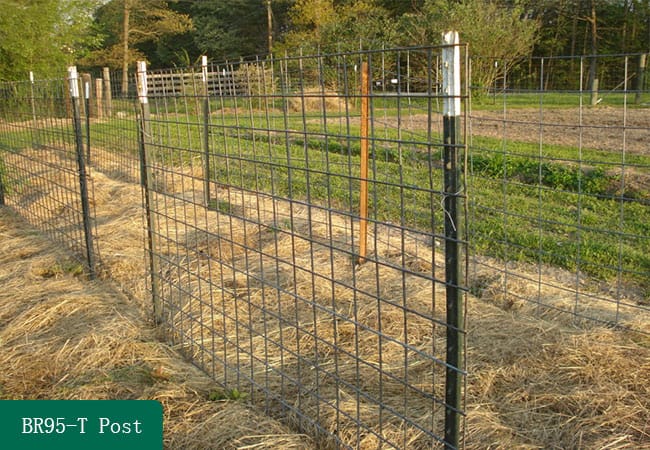
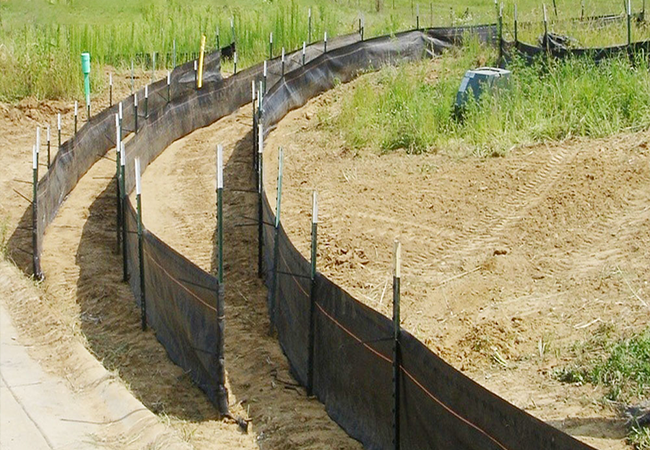
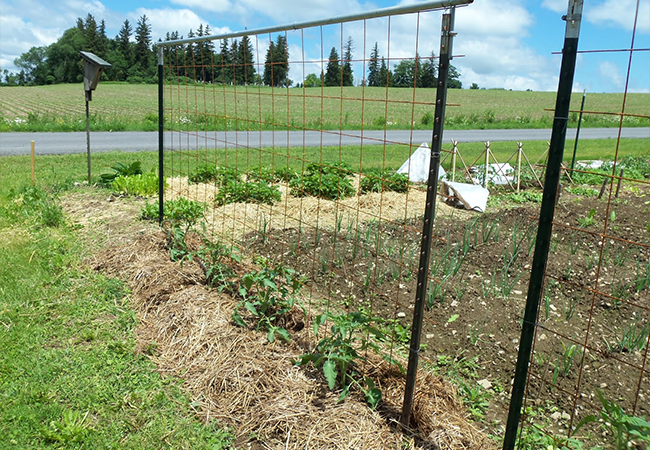
This universal load-bearing T post is designed for all outdoor farm fencing projects, compatible with hinged joint fence, barbed wire, welded mesh, deer fence and electric fence, applicable for scenarios requiring stable support, terrain adaptability and long service life.
Farmland and Orchard Boundary Isolation: Serve as fixed support for orchard anti-animal fence, isolate farmland plots, prevent wild boar, hare and other wild animal intrusion to protect crops and nursery stocks.
Livestock Breeding Farms: Core supporting post for cattle, sheep, horse and poultry breeding enclosure. One-piece lug design fixes fence firmly to resist frequent livestock impact, standardize farm zoning and breeding management.
Mountain and Grassland Pastures: Adapt to mountain slopes, undulating grassland and sandy soft soil. Support overall pasture grazing enclosure, easy for slope turning layout and regional grazing partition.
Suburban Rural & Highway Auxiliary Fencing: Ideal for rural courtyard boundary division, suburban farmland separation, countryside roadside protective fencing, realizing low-cost and durable regional isolation.
Core Advantages of T Post
Superior Anti-bending & Impact Resistance: Integral one-piece stamping steel structure, no welding weak points. Higher lateral bearing capacity than common round posts, not easy to bend or fracture under large livestock collision and strong wind pressure.
Strong Terrain & Installation Adaptability: Dual installation modes including concrete fixed embedding and direct ground piling. Fits slopes, soft sandy soil, hard clay land freely; reserved unified lugs match almost all types of farm fence accessories without on-site hole drilling.
Long-lasting Weather & Rust Resistance: Thickened hot-dip galvanized layer and outdoor-grade PVC coating isolate soil moisture, rain erosion and solar ultraviolet aging, adapt to high-temperature pastoral areas and rainy mountain areas all year round.
Labor-saving & High-efficiency Installation: Standard modular size design, lightweight integral body, matched dedicated piling tools. No on-site cutting, welding or punching needed, greatly shorten construction period and cut manual labor cost for large-scale pasture fencing projects.
Zero Daily Maintenance & High Cost Performance: Integrated structural design avoids lug falling off or component loosening. Factory direct sales with complete size specifications, ultra-long service life reduces later replacement and maintenance cost for farm owners.