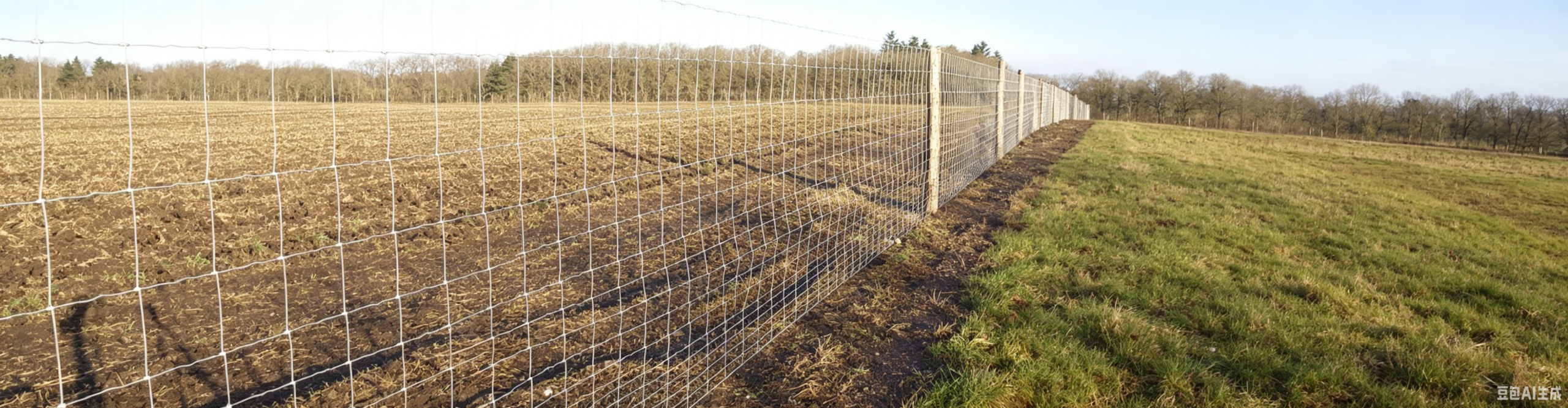
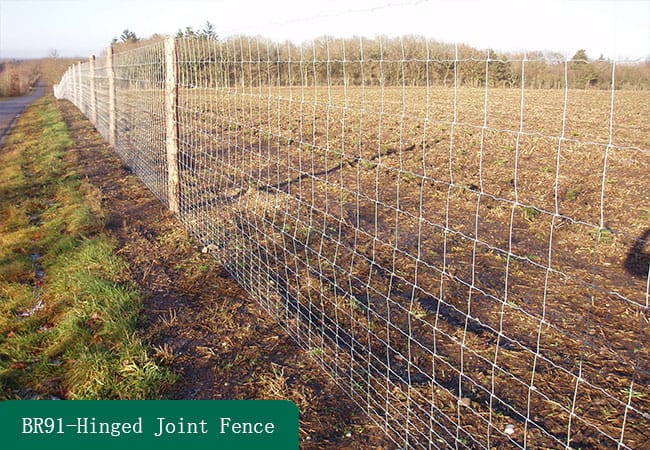
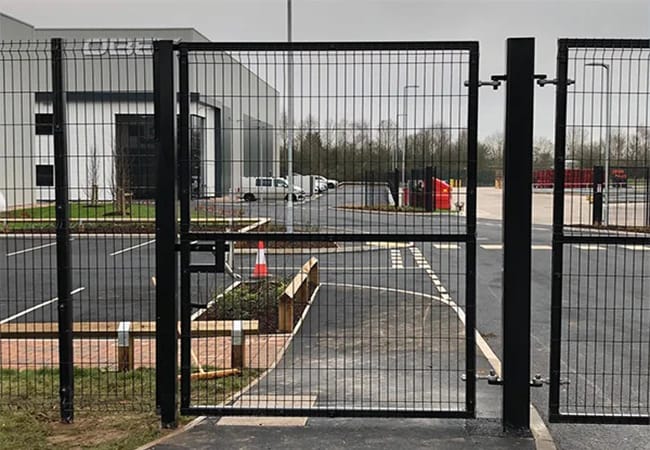
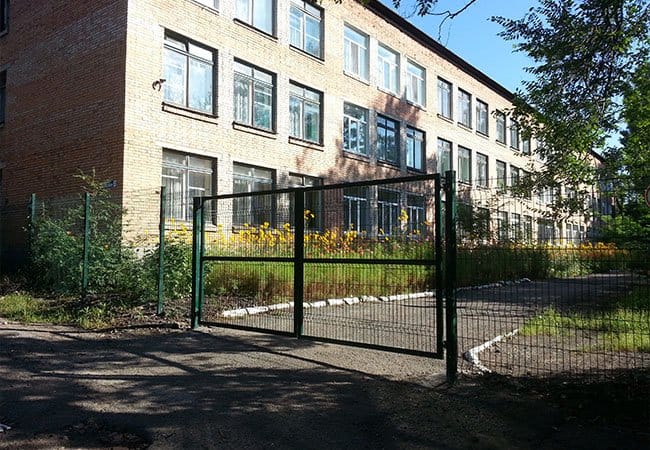
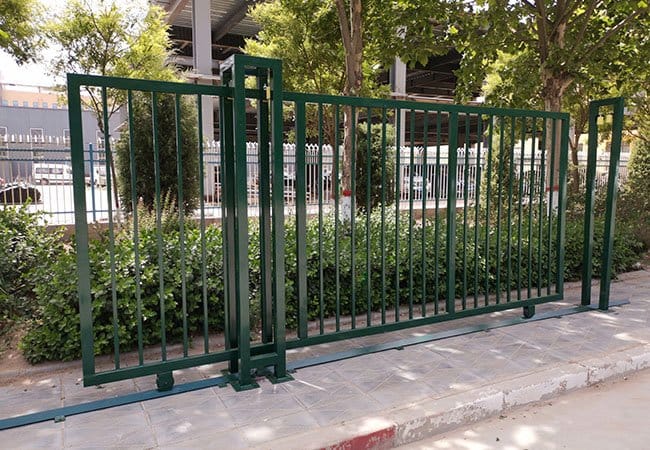
1. On-Site Cleaning and Positioning Marking
Clean the fencing site thoroughly to remove weeds, stones and debris, and level uneven ground for a flat construction base. Accurately mark the positions of fence posts and mesh laying range with professional measuring tools.
Set post spacing at 2–3 meters according to fence height and anti-impact demands. Bury 1/3 to 1/4 of the total post height underground to enhance wind and livestock impact resistance. Keep all marking lines straight for a uniform overall layout.
2. Foundation Digging and Post Fixing
Dig mounting holes 1.5–2 times the post diameter and clear loose soil at the hole bottom to avoid unbalanced stress. Place posts vertically and calibrate their verticality with a plumb line, then temporarily support them to prevent offset.
Fill holes with high-strength concrete and tamp tightly to eliminate air bubbles. Keep the concrete surface slightly higher than the ground to avoid waterlogging and corrosion. Allow concrete to cure for at least 24 hours; extend curing time in low-temperature and humid weather for firm fixation.
3. Mesh Panel Laying and Positioning
After full concrete curing, inspect meshes and posts for no deformation or blockage. Lift the hinged mesh and align its mounting holes with adjacent posts.
Adjust the mesh height to keep 5–10 cm clearance from the ground for anti-corrosion. Utilize the fence’s flexible hinged structure to adapt to sloped and uneven farm terrain. Maintain uniform gaps between panels for thermal expansion and fix meshes temporarily after positioning.
4. Accessory Fastening and Fixed Installation
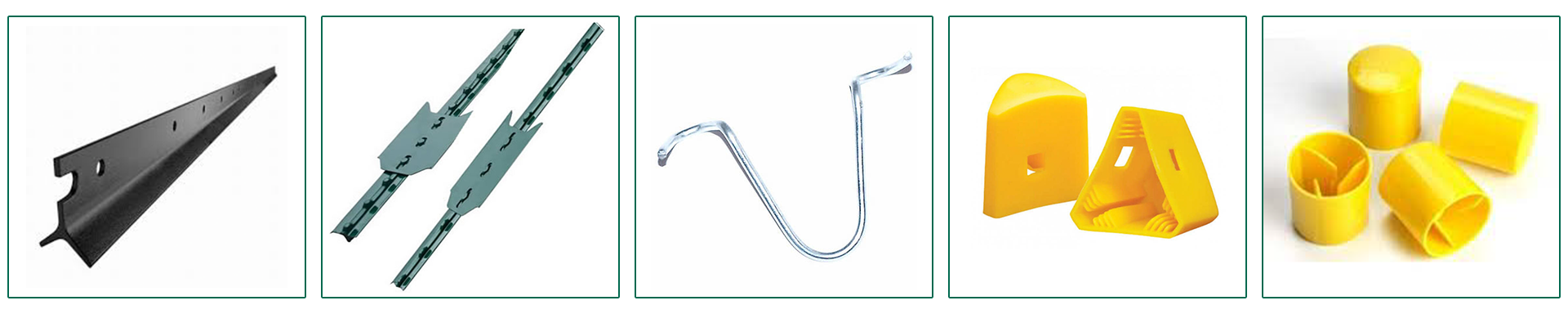
Equip with anti-rust bolts, gaskets and customized agricultural fasteners that feature excellent anti-loosening and corrosion resistance for long-term outdoor farm use.
Install and fasten accessories evenly with professional tools, avoiding over-tightening damage or loose connection. Strengthen fixing points at mesh bending and docking areas, and inspect all joints one by one to eliminate installation loopholes.
5. Overall Calibration and Quality Inspection
Recheck post verticality and mesh flatness with level tools to ensure no skew or uneven height. Shake the fence gently to confirm integral firmness without loosening or shaking.
6. Surface Cleaning and Project Acceptance
Focus on the adaptability of hinged joints on complex terrain, ensuring flexible bending without jamming or deformation. Adjust and rectify any deviations to meet standard construction requirements.
Clean dust, concrete residues and stains on the fence surface to protect the galvanized or coated anti-rust layer. Do not use corrosive detergents to avoid surface damage.
Installation Notes
Complete final acceptance by checking installation spacing, verticality, structural firmness and surface integrity. The installation is qualified only when no deformation, rust or loose connection is found.
Wear standard safety protective gear during construction. Avoid scratching, colliding or squeezing the fence surface to protect the anti-corrosion coating and hinged structure, ensuring stable long-term farm fencing performance.
Hinged Joint Fence | Professional Farm Fence from BENDIN
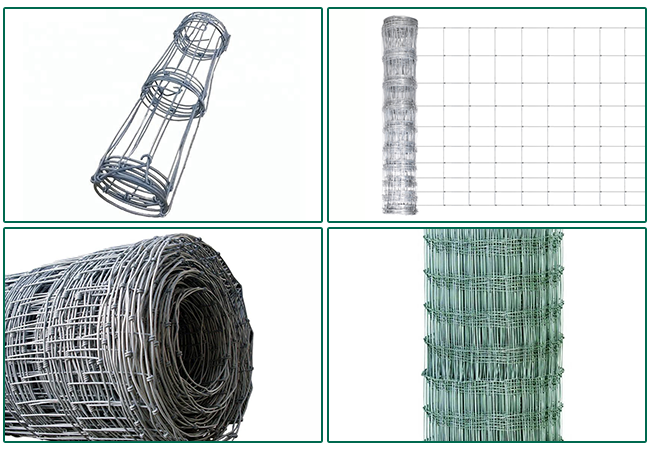
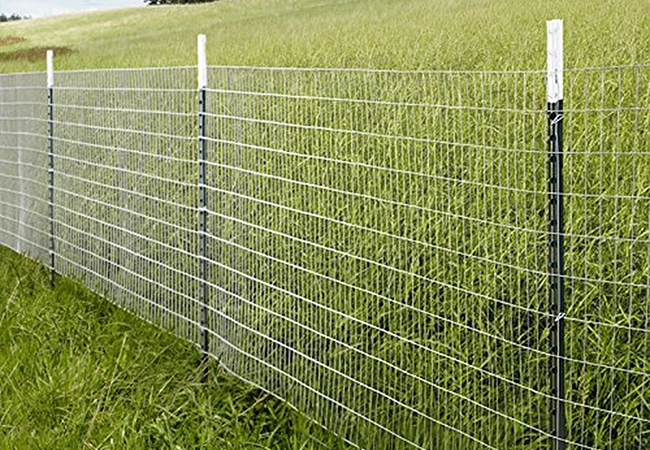
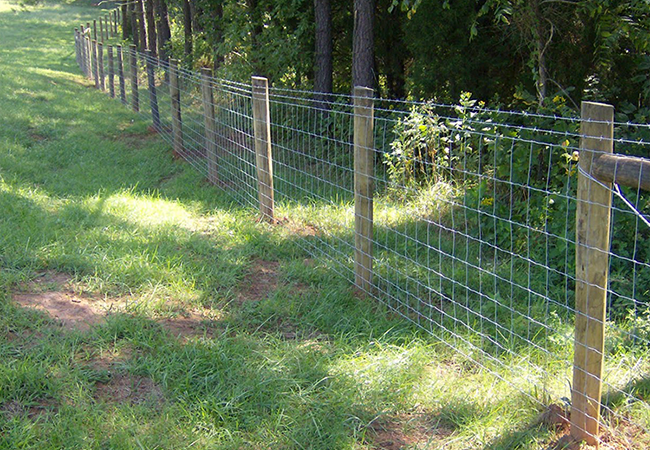
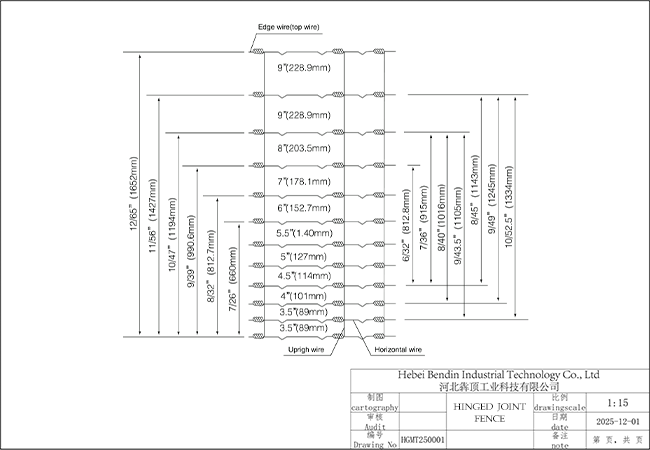
Located in Anping, China’s famous wire mesh hometown, Hebei BENDIN Technology boasts 30+ years of agricultural fence manufacturing and exporting experience. Our hinged joint fence is a heavy-duty farm-specific fencing product, adopting flexible hinged knot structure that outperforms ordinary rigid welded fences.
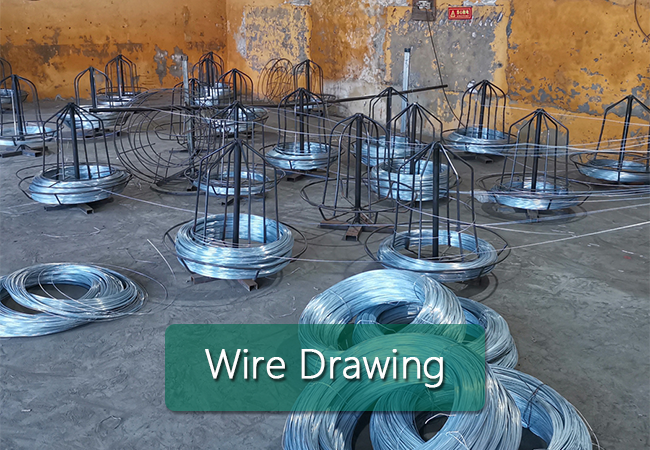
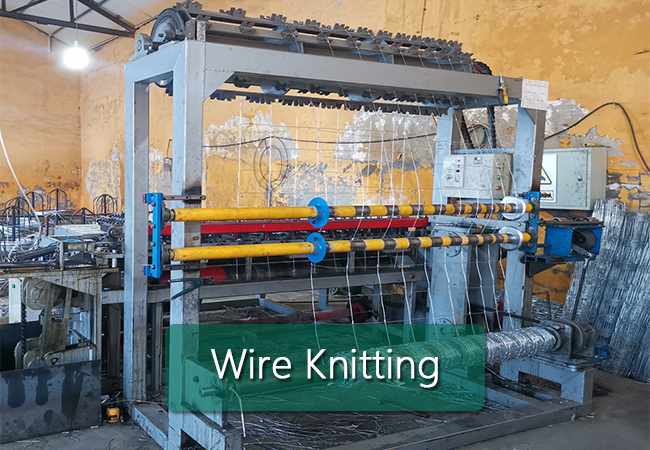
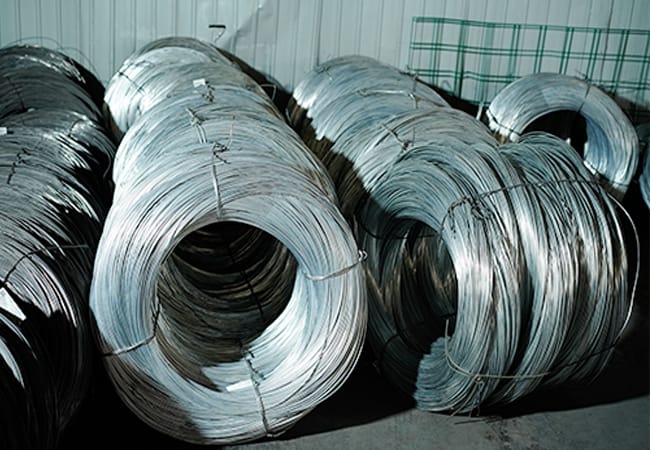
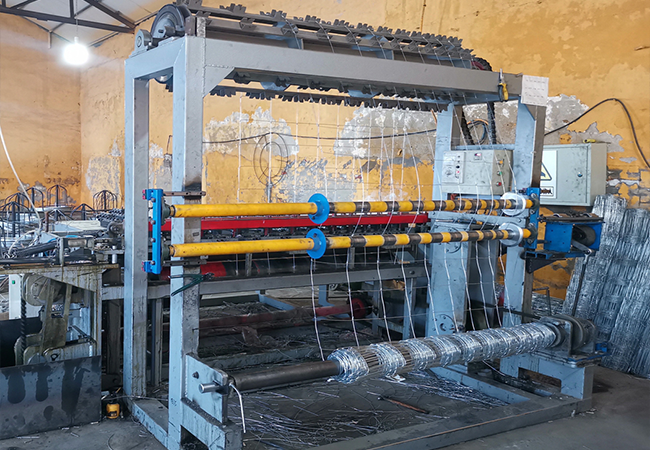
Made of premium low-carbon steel wire via professional weaving and hinged forming, it features high toughness and impact resistance against livestock collision. With hot-dip galvanized or PVC coated surface treatment, it delivers outstanding rustproof, UV-resistant and weatherproof performance, with a service life of over 15 years for outdoor farm scenarios.
Wide Application of Hinged Joint Fence
This versatile hinged joint farm fence is widely used in agricultural scenarios requiring flexibility, durability and terrain adaptability.
Farmland and Orchard Protection: Guards crop fields, orchards and seedling bases against wild animal intrusion and crop damage.
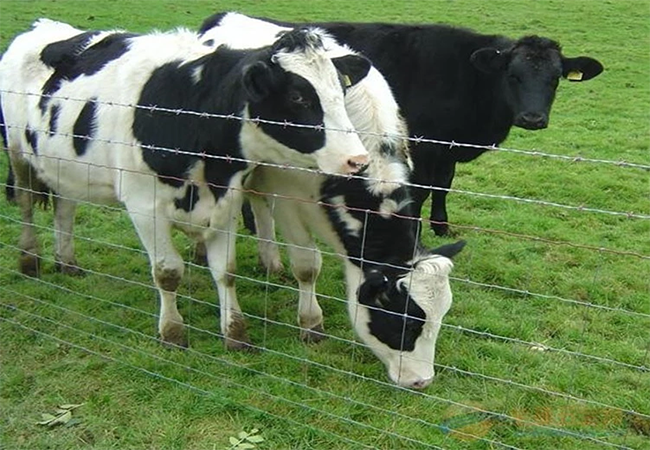
Livestock Breeding Farms: Suitable for enclosure and zoning of cattle, sheep and poultry farms. The flexible hinged structure buffers livestock impact and standardizes farm management.
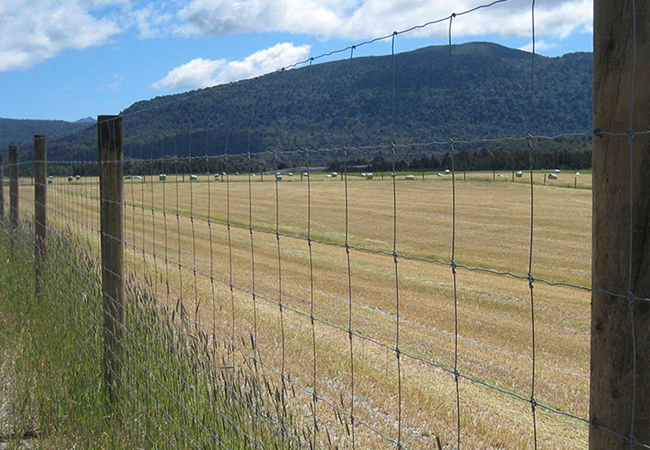
Mountain and Grassland Pastures: Adapts to undulating slopes and uneven terrain, ideal for pasture zoning and grazing enclosure.
Suburban Rural Isolation: Perfect for rural courtyard boundaries and suburban farmland separation for neat and safe regional division.
Core Advantages of Hinged Joint Fence
Excellent Impact Resistance & Toughness: The unique hinged flexible structure effectively buffers livestock impact, avoiding breakage and deformation for long-term farm use.
Strong Terrain Adaptability: Freely bends and fits slopes and irregular terrain without complex on-site cutting, maintaining a neat and standard fencing layout.
Superior Weather & Rust Resistance: Premium galvanized and PVC coating resists rain, sunlight aging and farm soil corrosion, ensuring stable all-season performance.
Fast & Simple Installation: Modular mesh and standard posts require no on-site welding, greatly saving labor and time costs for large-scale farm projects.
Low Maintenance & High Cost Performance: Stable structure with minimal daily maintenance needs. Factory direct sales and long service life effectively reduce long-term farm operation costs.