


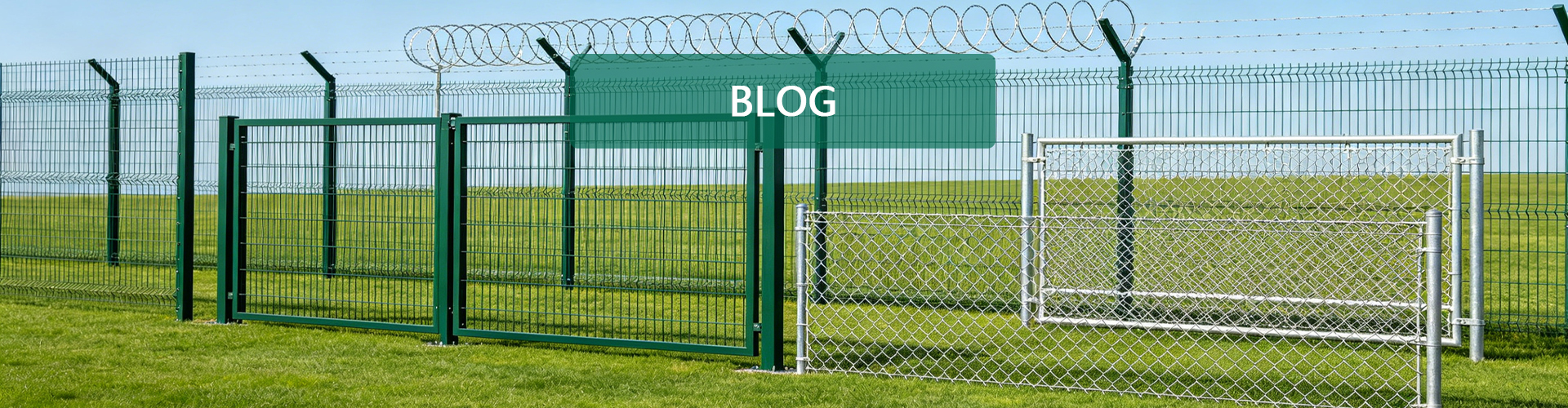
When we talk about fence applications we usually make a big difference between a fence for a factory, for a school, for a farm, for a sports ground or for a residential area even when the appearance of the fence could be similar, the application is different. Some projects need open visibility. Some need a clean front boundary. Some need long-distance enclosure at a controlled cost. Some need a stronger steel structure that also looks neat from the street.
For buyers who deal with real projects, the fence type should come after the site use, not before it. BENDIN is a metal fence manufacturer with more than 30 years of industry experience behind its production team. The company runs a 15,000 m² factory with over 80 machines, including wire mesh welders, laser cutting machines, chain link fence machines, PE coating lines, and powder coating lines. Its team serves distributors, contractors, and project owners who need practical fence products for different markets, including Steel tubular fence and Chain Link Fence.
What Are the Main Fence Applications in Real Projects?
When choosing a product for your fence, it is best to establish what your fence is going to do on your site prior to selection. Common applications for fences are to act as boundary control, safety devices, to manage access and for long-term outdoor protection.
Boundary Control for Clear Site Separation
A fence first gives the site a clear edge. For a factory, that means separating the production area from public roads or nearby land. For a residential project, it marks the community boundary. For a farm, it keeps animals, crops, and working zones easier to manage.
This is where buyers often make a small mistake. They ask for “metal fence” first, then talk about the site later. It works better the other way around. Start with the boundary length, ground condition, gate position, and daily traffic. Then the right fence type becomes much easier to pick.
Security Protection for Restricted Areas
Some sites need more than a visual boundary. When security is paramount for a warehouse, industrial area, utility section or storage area then a fence to slow the intruder down is required, visibility must still be an option for guards and workers.
Chain Link Fence is often used here because it gives an open view and covers long perimeters without making the site feel closed off. If the area needs more deterrence, it can work with barbed arms, rails, gates, or other security accessories.
Safety Management for People and Vehicles
A fence can also help keep people and vehicles in the right areas. In public facilities, parking lots, schools, and sports areas, the goal is not always high security. Sometimes the job is simple: guide movement, stop accidental entry, and keep the site orderly.
For this kind of use, a fence should be easy to see, easy to install, and strong enough for daily contact. Good fittings and stable posts matter here, because loose panels create problems later.
Why Does the Right Fence Type Depend on the Application?
Two sites can use the same fence height but need different structures. A 1.8 m fence beside a garden is not the same as a 1.8 m fence around a warehouse. The height is only one number. The real choice depends on use, budget, appearance, and maintenance.
Site Risk Level Decides the Fence Structure
For low to medium-risk areas, you may care more about boundary control, cost, and easy maintenance. Chain Link Fence usually fits this kind of work well. It can cover large areas, and the mesh keeps the view open.
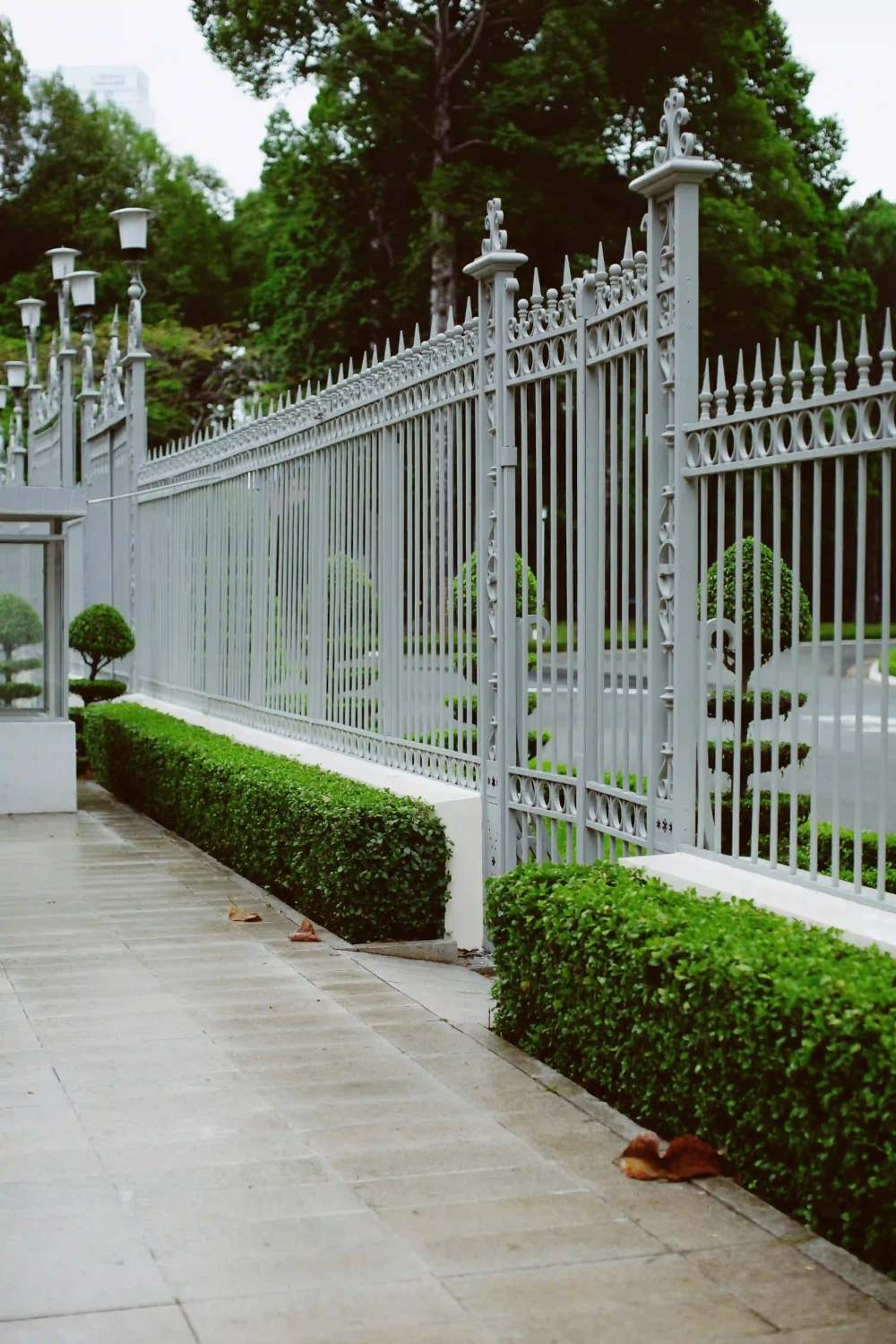
For public-facing areas, a more structured look may be better. Steel tubular fence gives a cleaner line, especially near entrances, roads, schools, and commercial buildings. It looks more formal than a mesh roll and gives the project a stronger front image.
Visibility and Airflow Affect Daily Management
Visibility matters more than many buyers expect. On large sites, workers, guards, and visitors need to see movement around the perimeter. A solid-looking fence may block the view and make management harder.
Chain Link Fence is useful here. It has mesh openings that allow air and visibility. BENDIN’s Chain Link Fence options include wire diameters from 2.5 mm to 4.5 mm, mesh sizes such as 40 × 40 mm, 50 × 50 mm, 60 × 60 mm, 75 × 75 mm, and 100 × 100 mm, with roll heights from 1.2 m to 3.0 m. Those options make it easier to match the fence to the site instead of forcing one standard product into every project.
Coating and Material Decide Maintenance Cost
Outdoor fences deal with sun, rain, dust, and sometimes coastal air. If the coating is weak, the fence may still stand, but rust will show early. That becomes a service problem for contractors and a reputation problem for distributors.
BENDIN’s production information includes hot-dip galvanizing, PE coating, and powder coating. For buyers, this means you can discuss the surface treatment together with the fence type. A fence for a dry inland warehouse may not need the same coating plan as a fence near wet ground or a coastal project.
When Should You Choose Steel Tubular Fence?
Steel tubular fence is not only about protection. It is also about the look of the site. When the fence is close to visitors, residents, students, or customers, appearance starts to matter.
Use It for Clean and Strong Boundaries
Steel tubular fence works well for residential communities, commercial areas, schools, public facilities, and the front side of industrial parks. It gives a neat vertical line and a firm steel structure.
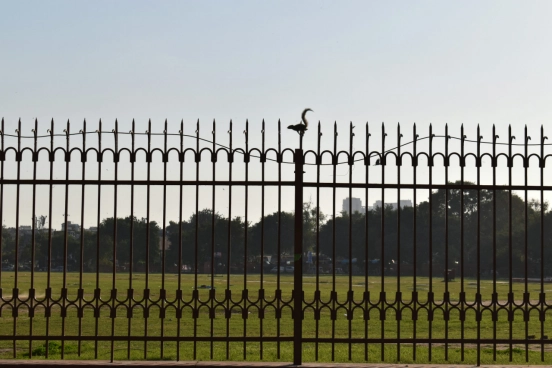
This product can use different top styles, including spear top, flat top, bending top, and aluminum top. For buyers, that gives room to match local style habits. A residential project may prefer a flat and simple look. A commercial boundary may need a stronger visual line.
Match Rails, Posts, and Pickets to the Site
BENDIN’s Steel tubular fence options include 2-rail, 3-rail, and 4-rail structures. Common height options cover 1.2 m, 1.5 m, 1.8 m, 2.0 m, 2.1 m, and 2.4 m. Width options can reach 3.0 m. Post sizes include 50 × 50 mm, 60 × 60 mm, 65 × 65 mm, and 75 × 75 mm.
These numbers are useful during quotation. If you know the project height, span, post style, and top design early, the supplier can give a more stable offer. It also reduces back-and-forth when you prepare drawings or compare options.
Choose It When Appearance Matters
A fence around a public entrance should not look temporary. Steel tubular fence suits sites where the buyer wants a tidy, long-term boundary. It also works well with gates, brackets, clamps, and different coating colors.
For a project owner, this fence gives a more finished look. For a distributor, it is easier to sell into residential, municipal, and commercial markets where the customer checks both price and appearance.
When Is Chain Link Fence the Better Choice?
Chain Link Fence deserves more attention because it solves many daily project needs without making the system complicated. It is simple, open, flexible, and widely accepted in many markets.
Use It for Long Perimeter Projects
Chain Link Fence is a good choice when the boundary is long and the site needs visibility. Factories, warehouses, farms, sports fields, storage areas, and general industrial perimeters often use it.
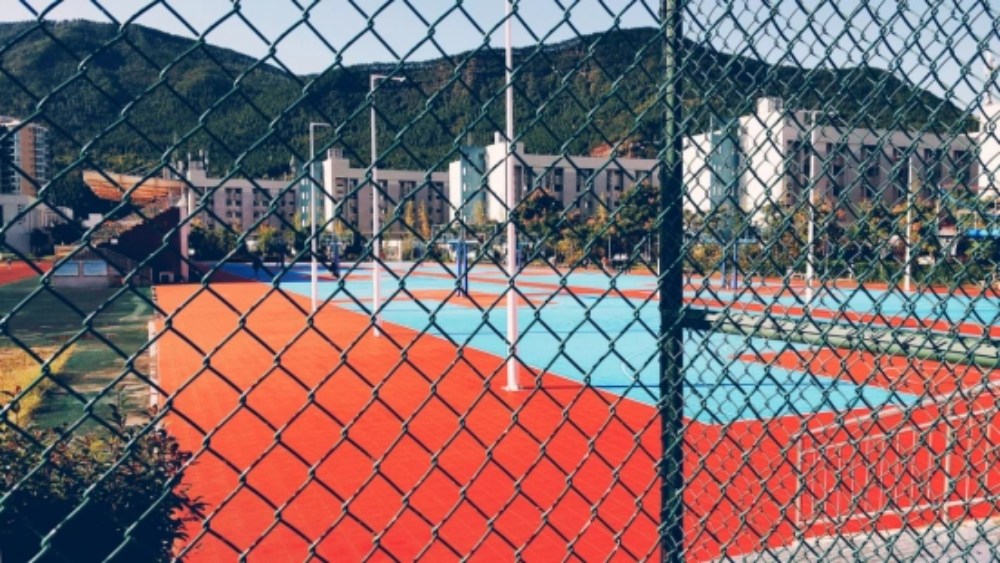
The reason is practical. A long boundary needs controlled cost, fast installation, and parts that are easy to understand. Chain link mesh, posts, rails, fittings, and gates can be combined in different ways. BENDIN offers styles such as post + fence, post + rail + fence, single arm, double arm, single gate, double gate, and sliding gate options.
Keep Visibility While Managing Cost
Many buyers choose Chain Link Fence because it does not block the view. The mesh allows people to see through the perimeter, which helps site management. It also allows airflow, so it fits open yards, sports areas, farms, and storage zones.
The product can use galvanized steel wire or PVC-coated steel wire. Edge types include twisted and knuckled forms. A twisted edge gives a sharper deterrent effect, while a knuckled edge is smoother and safer for public or sports areas. This small detail matters when the fence is close to people.
Add Accessories for Stronger Use
A basic Chain Link Fence is enough for many sites. For higher-risk areas, you can add barbed arms, razor wire, rails, tension bands, brace bands, caps, hinges, and gate parts. That is why it fits many fence applications without changing the whole system.
For sports grounds, farms, and open industrial land, it can stay simple. For a warehouse or restricted yard, you can add more fittings. This is one reason many contractors keep chain link systems in their project list. They are flexible and easy to explain to end users.
How Do Industrial and Commercial Fence Applications Match Real Site Needs?
Now the choice becomes more direct. You are not choosing between two products in a catalog. You are matching the fence to the job on the ground.
Use Chain Link Fence for Large Open Perimeters
If your project is a factory boundary, logistics yard, farm, sports ground, or warehouse perimeter, Chain Link Fence is usually the first product to check. It covers distance well. It keeps the view open. It can also work with different posts, rails, and gates.
For buyers who care about freight and installation, roll length and packing method also matter. BENDIN’s product data includes roll lengths from 9 m to 30 m, which gives room to match different project layouts.
Use Steel Tubular Fence for Front Boundaries
For project frontages, building entrances, residential community edges, and public roadsides, Steel tubular fence may be a better fit. It gives a stronger visual boundary and looks more permanent.
This does not mean it is always better than chain link. It just serves a different job. Chain link is good for distance and visibility. Steel tubular fence is better when the fence is part of the site image.
Check the Product Range Before Final Selection
Sometimes one project needs more than one fence type. A site may use Steel tubular fence at the front and Chain Link Fence around the back or side boundaries. A sports facility may use chain link mesh for the court area and a stronger gate system at the entrance.
That is why checking a supplier’s product range is useful before you lock the plan. It helps you compare fence types, surface treatment, gate options, and accessories at the same time.
What Should Buyers Check Before Choosing for Different Fence Applications?
The final decision should not depend only on unit price. A cheaper fence can become expensive if the post is too weak, the coating does not match the environment, or the accessories arrive incomplete.
Check Height, Mesh, Post, and Gate Requirements
Start with the easy numbers. What height do you need? How long is the boundary? How many gates are required? Is the gate for people, vehicles, or both? Do you need a sliding gate, double swing gate, or single gate?
For Chain Link Fence, check wire diameter, mesh size, roll height, roll length, post type, rail size, and fittings. For Steel tubular fence, check rail quantity, post size, picket spacing, top style, and connection method.
Check Coating, Color, and Packing
The surface treatment should fit the climate and site use. Galvanized, powder coating, and PE coating each have their own role. If the fence will stay outdoors for years, do not treat coating as a small detail.
Packing also matters for export orders. Panels, posts, fittings, and gates should be packed in a way that reduces scratches and makes unloading easier. For large orders, this can save time at the job site.
Check Service and Communication Support
A good fence order needs clear communication. You may need help with product selection, specification checking, packing suggestions, or a practical match between budget and site use.
For buyers comparing fence applications, BENDIN can support project discussion, product matching, surface treatment advice, and order service. If you already have a drawing, bill of quantity, or site photo, you can send it to the contact team and ask for a more suitable fence plan.
Conclusion
Fence applications decide the fence type. Chain Link Fence fits long perimeters, factories, warehouses, farms, sports areas, and open industrial sites where visibility and cost control matter. Steel tubular fence fits residential, commercial, public, and front-boundary areas where appearance and structure matter more.
If you want fewer problems after installation, check the site use first. Then compare height, mesh, post, coating, gate, accessories, packing, and service. A fence is not just a product list item. It is part of how the site works every day.
FAQ
Q1: What Are the Main Fence Applications?
A1: The main fence applications include boundary control, security protection, site separation, public area management, farm enclosure, sports field protection, residential privacy, and industrial perimeter fencing.
Q2: Which Fence Type Is Better for Long Perimeter Projects?
A2: Chain Link Fence is usually better for long perimeter projects because it covers large areas, keeps visibility open, and can work with different posts, rails, gates, and security accessories.
Q3: When Should You Choose Steel Tubular Fence?
A3: You should choose Steel tubular fence when the project needs a cleaner appearance, stronger visual boundary, and a more formal look, such as residential communities, schools, public facilities, and commercial front areas.
Q4: Is Chain Link Fence Suitable for Farms and Sports Areas?
A4: Yes. Chain Link Fence is suitable for farms, sports grounds, open yards, and general site boundaries because the mesh allows visibility, airflow, and flexible installation.
Q5: How Do You Choose the Right Fence Type for a Project?
A5: Start with the site use, boundary length, required height, security level, gate position, coating needs, and budget. Then compare the fence structure, post size, mesh or picket design, fittings, and service support.