


A metal fence should not become a yearly repair job. Additional cost for buyers after metal fencing installation occurs frequently: rust in the welds, faded paint, loose connection parts, repainting, complaints from the site owner etc. BENDIN is a metal fencing manufacturer in Anping, Hebei, China. The metal fencing manufacturer has over 30 years experience in the industry, 15,000㎡ factory, over 190 employees and more than 80 metal fencing production machines: wire mesh welders, chain link machines, PE coating lines and also several electrostatic coating lines. The company supplies project-ready metal fencing for distributors, contractors, and site owners in more than 70 countries. Its full product range covers welded mesh systems, tubular systems, chain link systems, 358 security panels, edge protection, airport perimeter products, and related gates. For this topic, the key point is simple: if the coating system is built correctly from the start, the fence itself needs far less yearly attention.
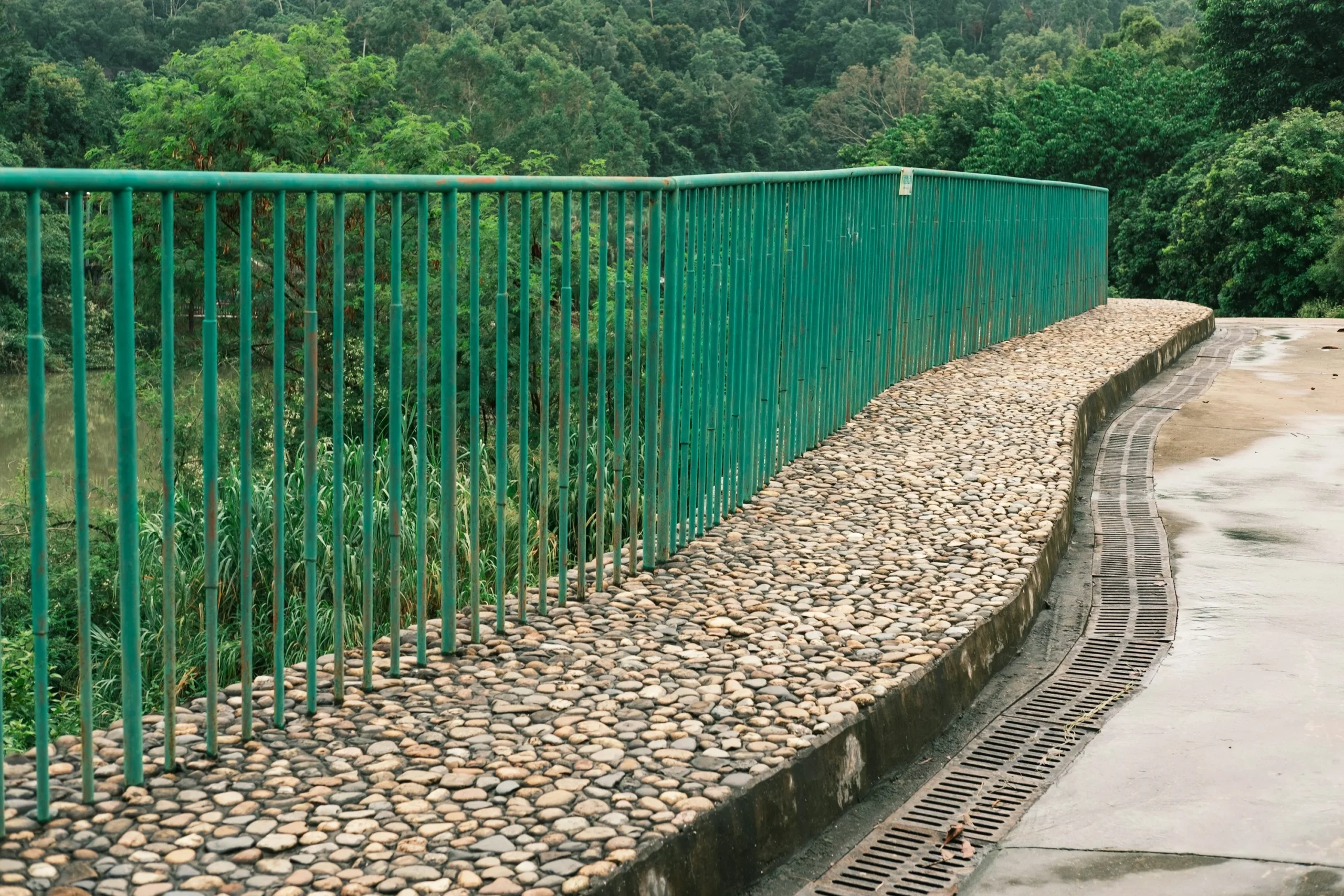
Why Annual Maintenance Usually Starts Before Installation
First you might think that maintenance starts after the product has been installed. But in reality maintenance starts much earlier – with the choice of raw materials, the quality of the welds, the cleaning of the surface, the protection with zinc, the coating thickness and the packing. A weak step in the factory can turn into rust on-site months later.
Small Coating Gaps Become Big Site Problems
Most rust does not cover the whole panel at first. It begins at cut edges, welded joints, post bases, clamps, and places touched during transport. These small spots meet rain, dust, and air every day. Once bare steel is exposed, rust spreads under the coating and makes later repair harder.
That is why a buyer should not only compare wire diameter or post thickness. While details such as color, gloss, thickness, surface irregularities, etc. are important; if the coating is thin, uneven, or poor in cure, even the strongest steel can rapidly start to look old.
Outdoor Weather Tests Every Detail
Rain, UV, humidity, soil splash, factory air and coastal salt all act slowly over time. A fence line around a warehouse may look okay for the first season. Then corners turn orange, bolts stain the post, and the owner asks why repainting is needed so soon.
For long boundary lines, small repair work becomes expensive because it needs labor, access, cleaning, paint, and downtime. The better choice is to reduce those weak spots before shipment, not fix them every year after installation.
Inspection Should Cover More Than Appearance
A clean finish is nice, but appearance alone is not enough. The factory process should include raw material checking, Zn/Al coating testing, straightening and cutting, panel welding, bending, post production, coating, and final packing.
Good inspection also checks wire diameter, mesh size, panel width, height, post size, post thickness, coating thickness, and package strength. These are not fancy details. They are the things that help the installed system stay stable and easier to manage.
What 4-Layer Protection Means in Real Metal Work
A 4-layer coating system is not just a sales phrase. It is a way to stop steel from meeting water and air too easily. When each layer does its job, you get better corrosion resistance and fewer repeated surface repairs.
Steel Gives the Shape and Load Capacity
The first layer is the steel body. It gives the panel, post, rail, or wire its structure. For welded mesh panels, the wire diameter may range from light-duty sizes to stronger project sizes. For tubular systems, the post, rail, and picket thickness decide how well the product handles impact and daily use.
Still, steel alone is not enough for outdoor work. If bare steel stands in rain or humid air, rust comes quickly. That is why coating is not an extra detail. It is part of the product’s working life.
Zinc Forms the First Anti-Rust Barrier
The second layer is zinc protection, often from hot-dip galvanizing or related zinc coating methods. Zinc helps protect steel by creating a barrier between the steel and the outside environment.
For large outdoor projects, zinc coating is especially important on posts, welded panels, chain link wires, rails, and fittings. These parts face constant weather and handling. If this layer is weak, later paint or plastic coating may look good at first but fail faster than expected.
Passivation and Final Coating Finish the Protection
The third layer is passivation. It helps stabilize the zinc surface and prepares it for the final coating. The fourth layer can be polyester powder coating, PE coating, or another required finish.
A typical PE coating process consists of workpiece preparation, pre-drying at 320-370°C, PE coating, curing and smoothing, and then a check for any defects and packing. A powder coating process consists of surface preparation, degreasing or sandblasting, pickling, washing, drying, electrostatic spraying, curing at 180-200°C, unloading, checking for any defects and packing. The process of an outer coating to ensure adhesion and a surface finish after use, is similar for both PE coating and powder coating processes.
Where Steel tubular fence and Chain Link Fence Fit
Not every project needs the same structure. A school boundary, power station, sports ground, industrial yard, and temporary site each has different pressure. The coating system matters for all of them, but the best product type changes with the job.
Why Steel tubular fence Works for Clean and Rigid Boundaries
Steel tubular fence is a good choice when you want a neat look, strong vertical pickets, and a more formal perimeter line. It can be made with spear top, flat top, aluminum top, bending top, puppy guard type, flat blade, or vertical blade styles.
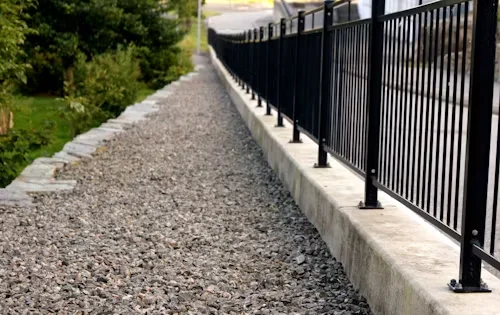
For this product, the exposed parts are posts, rails, pickets, welded points, brackets, and clamps. Common heights include 1.2 m, 1.5 m, 1.8 m, 2.0 m, 2.1 m, and 2.4 m. Width options can reach 3.0 m. Posts may use 50×50 mm, 60×60 mm, 65×65 mm, or 75×75 mm sizes, depending on the project. If you care about both appearance and lower maintenance, a coated tubular system is a practical pick.
Why Chain Link Fence Deserves More Attention
Chain Link Fence is the product I would pay more attention to for large projects because the exposed metal area is much bigger. Every wire, roll edge, post, rail, band, cap, clamp, and tie touches outdoor air. If the wire coating is poor, the whole line ages quickly.
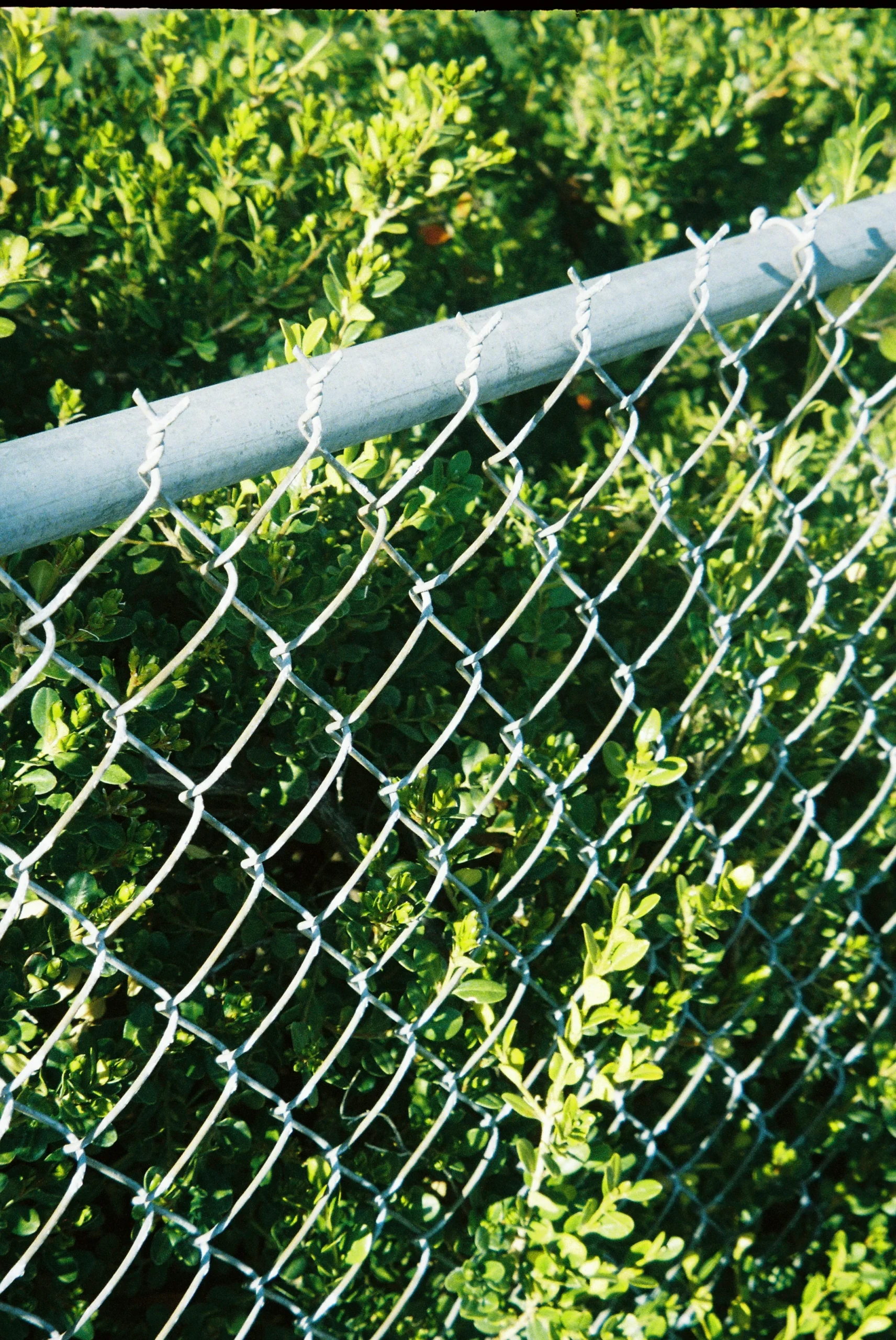
Our perimeter barrier mesh solutions are commonly used for perimeter protection of buildings such as factories, warehouses, power plants, substations, airports, sports facilities, parking areas, gardens, farms, ranches, highways, railroads, construction sites and special event locations. A variety of wire diameters are available including 2.5 mm, 3.0 mm, 3.5 mm, 4.0 mm and 4.5 mm. A variety of perimeter mesh sizes are also available including 40mm x 40mm, 50mm x 50mm, 60mm x 60mm, 75mm x 75mm and 100mm x 100mm. The roll height is available up to 3.0m and roll length up to 30m.
Edges and Accessories Affect Service Life Too
Many buyers only ask about mesh rolls. That is not enough. Chain link systems also need posts, rails, brace bands, tension bands, hinges, rail ends, loop caps, post caps, winders, clamps, sleeves, truss rod tighteners, ties, clips, barbed arms, bolts, and nuts.
The edge type also matters. Twisted edges give stronger security. Knuckled edges are smoother and safer for public or residential areas. If you choose the wrong edge, accessory, or coating grade, the line may still work, but maintenance and complaints can rise later.
How to Specify a System That Stays Easier to Manage
A low-maintenance fence is not only about buying the thickest steel. It is about matching structure, coating, package, and site conditions. A good supplier will ask where the product will stand, how long the line is, whether the area is coastal, whether people may climb it, and how strict the appearance requirement is.
Match the Product to the Site
For residential projects, commercial boundaries, parks, and places where appearance matters, Steel tubular fence is often the better fit. It gives a cleaner line and stronger visual order.
For long perimeters, sports grounds, farms, temporary enclosures, infrastructure, and industrial land, Chain Link Fence is often more flexible. It covers large areas with practical cost control and allows different post, rail, gate, barbed wire, and razor wire combinations.
Match the Coating to the Climate
For normal outdoor use, galvanized and powder-coated finishes may be enough. For humid areas, coastal areas, heavy industrial sites, or projects with a long service target, you should discuss stronger zinc coating, PE coating, powder coating, or double-layer protection.
RAL colors can also be selected for project appearance. Common options include green, black, grey, white, and yellow tones. Color is not only decoration. A stable finish helps the owner keep a cleaner site image with less repainting work.
Match Packing to Export Risk
Good coating can still be damaged by poor packing. Panels, rolls, posts, and accessories should be packed according to product type and container loading method. Wooden pallets, metal pallets, plastic film, moisture-proof wrapping, bulk loading, cartons, and reinforced boards can all be used where needed.
For export orders, this step is easy to overlook. But if panels scratch each other during sea transport, the buyer receives a maintenance issue before installation even starts.
Final Thoughts
Annual maintenance is usually not caused by one single mistake. It comes from many small choices: weak zinc protection, poor surface cleaning, thin coating, rough packing, wrong product type, or accessories that do not match the site. A well-made 4-layer system keeps the steel protected from the start, so the fence can spend more time doing its job and less time waiting for repair.
For project buyers, the best next step is to compare structure, coating, wire size, post size, edge type, packing, delivery, and after-sales service together. If you need help choosing between Steel tubular fence, Chain Link Fence, or another metal system, you can contact the service and contact team with your drawings, site photos, quantity, color request, and working environment.
FAQ
Q1: How does 4-layer protection reduce fence maintenance?
A1: It protects steel with zinc, passivation, and a final coating layer, so water and air are less likely to reach the metal surface. That helps reduce rust, repainting, and small repair work.
Q2: Is Chain Link Fence suitable for long outdoor boundaries?
A2: Yes. It is practical for factories, sports grounds, farms, roads, railways, construction sites, and large industrial areas. The key is to choose the right wire diameter, mesh size, edge type, post system, and coating.
Q3: When should you choose Steel tubular fence?
A3: Choose it when you need a clean look, stronger vertical structure, and better boundary control for residential, commercial, school, park, or industrial perimeter projects.
Q4: Which coating is better for humid or coastal areas?
A4: Strong zinc protection, PE coating, powder coating, or combined surface treatment should be considered. The final choice depends on salt exposure, humidity, expected service life, and budget.
Q5: What details should you confirm before ordering?
A5: Confirm the product type, wire diameter, post size, rail size, height, width, mesh opening, coating method, color, edge type, accessories, packing method, delivery time, and after-sales service.