


Blast Wall Systems: Specifications, Applications and Project Solutions
Blast walls are protective barrier systems designed to help reduce the effects of blast pressure, flying debris and impact in high-risk industrial and infrastructure environments.
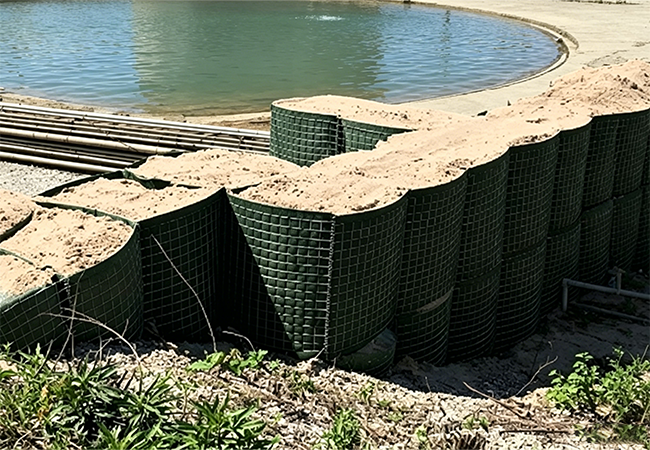
Depending on the required application, blast barrier systems can use steel mesh, fabricated steel components and fill materials such as sand or aggregate to create a protective structure.
Bendin manufactures customizable steel protective barrier systems for international projects. Dimensions, steel specifications, surface treatment and system configurations can be manufactured according to confirmed project drawings and engineering requirements.
What Is a Blast Wall?
A blast wall is a protective structure positioned between a potential hazard and the area that requires protection.
Its purpose is to provide a physical barrier that can help reduce or redirect the effects associated with an explosion or impact event.
Depending on the design, a modular blast wall may consist of:
- Welded steel mesh
- Steel frames or panels
- Geotextile lining
- Connection components
- Structural supports
- Sand, gravel or other specified fill material
The exact construction depends on the required protection level, installation environment and engineering design.
Blast wall systems should therefore be selected according to a project-specific risk assessment rather than by dimensions alone.
Typical Blast Wall Specifications
Bendin can manufacture protective barrier components according to customer drawings and project specifications.
| Item | Typical Options |
|---|---|
| System Type | Modular protective barrier |
| Material | Steel wire / fabricated steel |
| Wire Diameter | According to project design |
| Mesh Opening | Customized |
| Unit Height | Customized |
| Unit Width | Customized |
| Unit Depth | Customized |
| Lining | Geotextile where required |
| Fill Material | Sand / gravel / specified local fill |
| Surface Treatment | Galvanized / coated |
| Connection | Modular connection system |
| Installation | Ground-mounted according to project design |
These are general manufacturing options rather than fixed engineering specifications.
For blast-resistant applications, final dimensions, materials, foundations and structural configuration should be determined by qualified project engineers according to the required performance criteria.
How Does a Modular Blast Wall Work?
A filled protective barrier combines an external steel structure with internal fill material.
The steel structure provides containment and maintains the geometry of the barrier, while the fill material provides mass and helps absorb and dissipate energy.
Compared with constructing a permanent concrete wall in some temporary or remote applications, modular systems can offer advantages such as:
- Easier transportation
- Rapid site deployment
- Modular construction
- Flexible wall length
- Adjustable configurations
- Use of locally available fill material where appropriate
- Easier expansion of existing barriers
The actual performance depends on the complete engineered system rather than any single component.
Applications of Blast Wall Systems
Blast barriers can be considered for a range of industrial and infrastructure environments where additional physical protection is required.
Oil and Gas Facilities
Energy facilities may contain equipment and operating areas where risk assessments identify the need for physical separation or protective barriers.
Systems can be configured according to site layout and engineering requirements.
Power and Utility Projects
Protective barriers may be used around selected equipment, operational zones or critical infrastructure according to the project’s safety design.
Mining and Industrial Sites
Mining and heavy industrial environments can require robust barriers capable of operating in demanding outdoor conditions.
Galvanized steel components can be specified where corrosion protection is required.
Remote Infrastructure Projects
Modular systems can be useful for remote projects because components can be transported to the site and assembled according to the required layout.
Galvanized Steel for Harsh Environments
Blast wall systems may be installed in desert, coastal, humid or other demanding environments.
Surface treatment should therefore be selected according to actual exposure conditions.
Available options can include:
Galvanized steel for corrosion protection in outdoor applications.
Coated steel components where additional surface protection or project-specific appearance is required.
For long-term projects, buyers should specify the required material and coating performance during the design and quotation stage.
Modular Design and Installation
One of the advantages of modular protective barriers is their ability to adapt to different site layouts.
Individual units can be connected to create:
- Straight protective walls
- Perimeter barriers
- Compartmented structures
- Equipment protection areas
- Customized configurations
The required wall height, width, depth and layout should be determined according to project drawings.
For large projects, a site layout or engineering drawing can be used to calculate the number of modules required.
Example Blast Wall Project Configuration
Consider an industrial project requiring approximately 100 meters of protective barrier around a designated high-risk area.
A preliminary project specification might include:
| Item | Example Requirement |
|---|---|
| Total Barrier Length | Approx. 100 m |
| Barrier Height | According to engineering design |
| Structure | Modular steel barrier |
| Fill | Locally sourced material as specified |
| Surface | Galvanized |
| Layout | According to site drawing |
| Connections | Matching modular components |
The actual number and dimensions of units would be calculated from the final engineering design.
This is an illustrative project configuration and is not presented as a completed Bendin customer project.
Custom Blast Wall Manufacturing
Blast protection projects can have significantly different structural requirements.
Bendin can manufacture steel components according to confirmed customer drawings and specifications, including customization of:
- Barrier height
- Barrier width and depth
- Steel wire diameter
- Mesh dimensions
- Frame structure
- Connection components
- Surface treatment
- Geotextile configuration
- Packaging
- Modular unit dimensions
For customized projects, technical drawings should be confirmed before production.
What Buyers Should Confirm Before Ordering
For blast wall projects, buyers should provide more technical information than for conventional fencing.
Important information includes:
- Project application
- Required barrier length
- Required height and depth
- Structural drawings
- Steel specifications
- Fill material requirements
- Surface treatment
- Installation environment
- Foundation or ground conditions
- Required project standards
- Destination
- Required quantity
Where blast performance is required, the relevant engineering performance criteria should also be clearly defined by the project designer.
Quality Control and Manufacturing
For modular protective systems, dimensional consistency is important because individual units need to connect correctly during site installation.
Bendin manufacturing inspection can include:
- Material specifications
- Wire diameter
- Mesh dimensions
- Welding quality
- Component dimensions
- Connection points
- Surface treatment
- Lining dimensions
- Packaging
- Order quantities
Inspection requirements can also be agreed according to the project specification.
Why Choose Bendin?
Bendin manufactures steel fencing and protective barrier systems for international industrial and infrastructure projects.
Our manufacturing capabilities include:
- Welded steel mesh production
- Modular steel barrier components
- Galvanized surface treatment
- Customized dimensions
- Production according to drawings
- Matching connection components
- Export packaging
- Container loading support
For project orders, drawings and technical requirements can be reviewed before mass production.
Frequently Asked Questions
What is a blast wall used for?
A blast wall is a protective barrier designed to help separate vulnerable areas from potential blast, impact or debris hazards.
What materials are used in modular blast walls?
Depending on the design, systems can incorporate welded steel mesh, steel components, geotextile lining and specified fill materials such as sand or aggregate.
Can Bendin customize blast wall dimensions?
Yes. Dimensions, mesh specifications, steel components, connections and surface treatments can be manufactured according to confirmed project drawings.
Can blast walls be galvanized?
Yes. Galvanized steel components can be supplied where corrosion protection is required.
Can Bendin determine the required blast resistance?
Blast performance should be determined through the project’s engineering and risk assessment process. Bendin can manufacture components according to the resulting confirmed technical specifications and drawings.
Request a Blast Wall Quote
Bendin supplies customizable steel protective barrier systems for industrial, energy, infrastructure and other project applications.
For an accurate quotation, provide:
Project drawing + barrier dimensions + steel specification + surface treatment + required quantity + destination + applicable technical requirements.
Bendin can manufacture modular barrier components according to confirmed project specifications and provide export packaging and international shipment support.