



Tubular Fence Manufacturing Process: Materials, Welding and Quality Control
The quality of a tubular steel fence depends on more than the finished appearance. Material consistency, cutting accuracy, welding quality, surface preparation, corrosion protection and final inspection all influence the performance of the complete fencing system.
For residential communities, schools, commercial properties and industrial facilities, standardized manufacturing helps maintain consistent panel dimensions, reliable connections and a uniform surface finish.
Bendin (Hebei Bendin Industrial Technology Co., Ltd.) supplies customizable tubular steel fencing for international distributors, contractors, developers and project owners. Depending on the selected product, configurations may include vertical steel tubes, horizontal rails, supporting posts, decorative tops, matching gates and galvanized or powder-coated finishes.
This guide explains the main stages of tubular fence manufacturing, the quality checks that buyers should review and the technical information needed when sourcing fencing for a project.
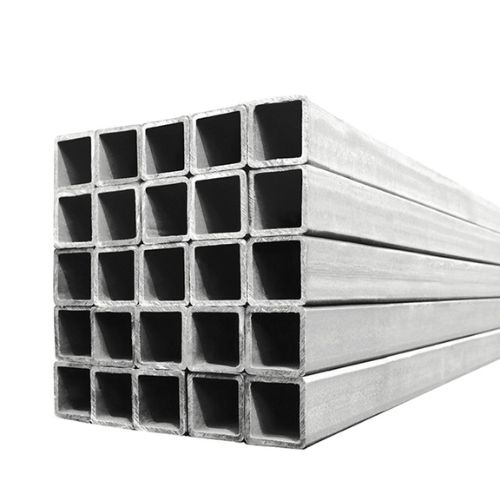
1. Raw Material Selection and Incoming Inspection
Tubular fence manufacturing begins with selecting steel tubes and other components that match the approved product specification.
Depending on the design, materials may include square or rectangular steel tubes, round tubes, horizontal rails, post sections and compatible connection components.
Material Specification
Before production, confirm:
- Steel grade
- Tube profile and dimensions
- Wall thickness
- Material tolerances
- Surface condition
- Required material documentation
Q195 or Q235 steel may be used for selected products, depending on the design and material specification. The actual grade should be confirmed for the specific order rather than assumed to apply to every tubular fence.
Incoming Quality Checks
Incoming inspection may include:
- Measuring tube dimensions and wall thickness
- Checking straightness and visible deformation
- Inspecting surface rust, scratches and other defects
- Verifying material identification and relevant certificates
- Confirming that supplied materials match the approved specification
Material that does not meet the agreed requirements should be identified and handled according to the factory’s quality-control procedures.
Why this stage matters: Material consistency helps prevent dimensional problems and assembly difficulties later in production.
2. Precision Cutting and Tube Processing
After material inspection, steel tubes are cut to the dimensions specified in the production drawings.
Accurate cutting helps maintain consistent panel dimensions and makes it easier to align vertical bars, horizontal rails and supporting posts during assembly.
Common Processing Operations
Depending on the product design, processing may include:
- Cutting vertical tubes to length
- Cutting horizontal rails
- Preparing post sections
- Drilling or punching specified mounting holes
- Forming selected tube profiles
- Preparing decorative or shaped components
- Removing burrs from cut edges
Dimensional Control
Important inspection points include:
- Tube length
- Section dimensions
- Hole position
- Cutting angle
- Component straightness
- Consistency between repeated parts
Dimensions should be checked against the approved drawing and agreed tolerances.
Precision cutting helps reduce assembly errors, but it does not by itself guarantee that the finished panel will be flat or correctly aligned. Those characteristics must also be checked during assembly and final inspection.
3. Welding and Panel Assembly
Welding connects the vertical tubes, horizontal rails and other steel components to form the fence panel.
Depending on the design and production equipment, the factory may use automated welding, resistance welding or suitable manual welding processes.
Welding Quality Requirements
Inspection should focus on whether the welded joints are suitable for their intended function.
Potential checks include:
- Weld location and consistency
- Missing or visibly defective welds
- Excessive spatter
- Joint alignment
- Panel geometry
- Distortion caused by heat
- Conformity with the agreed inspection criteria
Weld quality should be evaluated using the relevant product requirements. A visually smooth weld alone does not establish a particular load capacity or structural rating.
Panel Alignment
During assembly, the production team should verify that:
- Vertical bars are correctly positioned
- Horizontal rails are aligned
- Bar spacing matches the drawing
- Panel width and height are within tolerance
- The frame is not excessively distorted
Where the design requires specific structural performance, the relevant tests and acceptance criteria should be defined in advance.
4. Deburring, Grinding and Surface Preparation
After cutting and welding, selected areas may require grinding or other finishing operations.
The purpose is to remove unsuitable projections, prepare the surface for subsequent treatment and achieve the specified finish.
Deburring and Edge Finishing
Check exposed tube ends, cut edges and connection areas for burrs or sharp projections.
Finishing requirements should reflect the intended application, especially for fencing installed around schools, residential properties and public spaces.
Surface Cleaning
Before applying a coating, the steel surface must be prepared according to the selected treatment system.
Depending on the process, preparation may include:
- Removing oil and grease
- Removing dust and loose contaminants
- Removing welding residues
- Removing rust or scale where required
- Rinsing and drying where the process requires it
The exact preparation method depends on the base material, coating system and manufacturing sequence.
Proper preparation helps the coating adhere as intended, but the final result also depends on application conditions, curing and process control.
5. Surface Treatment and Corrosion Protection
Surface treatment is an important part of tubular fence manufacturing because many fences are installed outdoors and exposed to rain, humidity, sunlight and environmental pollutants.
The appropriate process depends on the steel substrate, fabrication method and intended operating environment.
Option A: Pre-Galvanized Steel Plus Powder Coating
Pre-galvanized steel tubes have a zinc coating applied before subsequent fabrication.
After cutting, drilling and welding, the condition of exposed or processed areas should be reviewed. Any required treatment of affected areas should follow the approved manufacturing specification.
Powder coating may then be applied using a compatible preparation and finishing process.
This configuration may be suitable for selected residential, commercial and general outdoor fencing applications, subject to the product specification.
Option B: Hot-Dip Galvanizing After Fabrication
Where specified, fabricated steel components can undergo hot-dip galvanizing after welding and other preparation.
This process applies a zinc coating to the treated steel surfaces. The actual coverage and coating characteristics depend on the product geometry and galvanizing process.
Before ordering, confirm the applicable coating specification and whether the treatment is performed before or after fabrication.
Option C: Galvanizing Plus Powder Coating
A compatible galvanized substrate combined with powder coating may be selected where both corrosion protection and appearance are important.
The production sequence should be specified clearly because fabrication, galvanizing, surface preparation and powder coating can affect one another.
Comparing Surface Treatment Options
| Surface Treatment | Main Consideration | Information to Confirm |
|---|---|---|
| Pre-Galvanized Steel | Zinc protection is applied before subsequent fabrication | Treatment of cut edges and welded areas |
| Hot-Dip Galvanizing After Fabrication | Zinc coating is applied to fabricated components | Coating specification and process suitability |
| Powder Coating | Decorative finish and additional surface protection | Surface preparation, coating specification and curing |
| Galvanizing Plus Powder Coating | Combines zinc protection with a colored finish | Compatibility of the complete coating system and production sequence |
No single treatment is automatically the best option for every environment. Coastal, high-humidity and industrial locations may require additional attention to corrosion exposure and maintenance conditions.
6. Powder Coating and Color Control
Powder coating provides a finished surface and allows tubular fences to be coordinated with surrounding buildings and landscaping.
Typical Process Considerations
Depending on the selected coating system, production may include:
- Surface preparation
- Masking of specified areas, where required
- Electrostatic powder application
- Curing according to the coating specification
- Visual and dimensional inspection
Color Customization
Customers may specify a RAL color reference or another agreed finish, subject to product availability.
For example, projects may request black, anthracite grey, light grey or green finishes.
Actual color appearance can vary with coating type, gloss level, surface texture and lighting. A reference sample may be useful when color matching is important.
Coating Quality Checks
Inspection may include:
- Color consistency
- Surface coverage
- Visible scratches or pinholes
- Peeling or blistering
- Coating thickness, where specified
- Adhesion testing, where required
- Curing or other process checks, as applicable
The inspection method and acceptance criteria should be agreed before production begins.
7. Finished Product Inspection and Quality Testing
After fabrication and surface treatment, the finished tubular fence panels should be checked against the approved product specification.
Dimensional Inspection
Depending on the product, measurements may include:
- Panel height and width
- Tube dimensions and wall thickness
- Vertical-bar spacing
- Rail position
- Post dimensions
- Connection locations
- Overall panel geometry
Structural and Weld Inspection
Check the condition and consistency of welded joints, the alignment of structural components and any visible deformation.
Where a specific load or structural rating is required, the relevant test method and acceptance criteria should be agreed in advance.
Coating Inspection
Check the finished surface for visible defects and verify any specified coating measurements or tests.
Gate and Accessory Inspection
Where gates are supplied, inspect their dimensions, alignment, hinges, latches and compatibility with the fence posts.
Final Acceptance
The factory should document the checks required by the order and identify any products that do not meet the agreed acceptance criteria.
A claim of 100% product conformity should only be made when supported by the actual inspection plan and records.
8. Export Packaging and Shipment Preparation
Tubular fence panels are often shipped in bulk, making packaging and handling important parts of the manufacturing process.
Packaging should protect the finished surfaces and help prevent deformation or abrasion during transportation.
Typical Packaging Considerations
Depending on the order, packaging may include:
- Protective wrapping
- Separation materials between panels
- Bundling and securing
- Wooden pallets or other specified supports
- Product labels and bundle identification
- Protection for gates and accessories
- Export packaging documentation, where required
Product Identification
Labels may identify the product model, dimensions, quantity, batch or order reference.
The information should match the packing list and other agreed shipping documents.
Transportation Planning
Before shipment, confirm:
- Bundle dimensions and weight
- Loading arrangement
- Container or vehicle capacity
- Protection against movement during transport
- Required export documents
- Delivery and handling instructions
For customized orders, packaging requirements should be agreed before production is completed.
9. Tubular Fence Manufacturing Specification Checklist
Buyers can use the following checklist when requesting quotations or evaluating a manufacturer.
| Item | What to Confirm |
|---|---|
| Material | Steel grade and applicable material documentation |
| Tube Dimensions | Profile size and wall thickness |
| Panel Dimensions | Height, width and relevant tolerances |
| Bar Spacing | Specified spacing and tolerance |
| Welding | Applicable process and acceptance criteria |
| Edge Finishing | Requirements for burr removal and exposed edges |
| Surface Treatment | Pre-galvanized / hot-dip galvanized / powder coated / specified combination |
| Coating Requirements | Type, thickness or mass, where specified |
| Color | RAL reference or approved sample |
| Gates | Dimensions, hinge and latch arrangements |
| Inspection | Dimensional, visual and specified performance checks |
| Packaging | Bundle protection, labels and shipment arrangement |
| Documentation | Drawings, inspection records and applicable test reports |
This checklist helps ensure that quotations are based on comparable technical requirements rather than general product descriptions.
10. Illustrative Manufacturing Example: Customized Tubular Fence Order
A commercial project requires tubular fence panels with a specified height, square steel posts, a dark powder-coated finish and matching pedestrian gates.
Before production begins, the buyer and manufacturer confirm the product drawing, tube dimensions, post spacing, gate positions, coating specification and packaging requirements.
Example Production Control Plan
| Manufacturing Stage | Main Check |
|---|---|
| Incoming Materials | Steel grade, tube dimensions and visible condition |
| Cutting | Component length and dimensional tolerance |
| Welding | Joint condition, alignment and panel geometry |
| Surface Preparation | Cleanliness and suitability for the selected coating |
| Coating | Finish consistency and specified coating checks |
| Final Inspection | Dimensions, welds, coating and accessory compatibility |
| Packaging | Product identification and protection during transport |
The inspection requirements should be agreed according to the actual order. Any special performance test must be identified before manufacturing so that the correct test method and acceptance criteria can be arranged.
This is an illustrative manufacturing scenario, not a completed Bendin customer order.
11. How to Evaluate a Tubular Fence Manufacturer
A reliable supplier should be able to explain the manufacturing process and provide documentation relevant to the actual product.
Material Traceability
Ask how materials are identified and checked against the purchase specification.
Production Capability
Confirm whether the factory can manufacture the required tube profiles, panel dimensions, decorative tops, gates and surface finishes.
Welding and Finishing
Ask which inspection methods are used for weld quality, panel alignment, edge finishing and coating condition.
Surface Treatment Documentation
Confirm the coating process, relevant specifications and available test records.
Technical Drawings
Request drawings showing panel dimensions, tube specifications, post positions, gate locations and mounting details.
Export Packaging
Confirm packaging methods, bundle identification, shipment quantities and required documents.
Warranty Terms
Request the actual warranty document and clarify the coverage, exclusions, maintenance conditions and applicable products.
A supplier’s production claims should be evaluated using product specifications, inspection records and supporting documentation rather than marketing statements alone.
12. Bendin Tubular Fence Manufacturing and Customization
Bendin supplies customizable tubular steel fencing for residential, commercial, educational, industrial and municipal applications.
Depending on product design and manufacturing capabilities, customization may include:
- Steel grade and tube dimensions
- Panel height and width
- Vertical-bar spacing
- Horizontal rail dimensions
- Post profiles and mounting arrangements
- Flat-top, spear-top and selected decorative designs
- Galvanized and powder-coated finishes
- RAL color selection
- Compatible pedestrian and vehicle gates
- Mounting accessories and export packaging
Customers can provide technical drawings, site measurements, reference photographs and project specifications for review before ordering.
For customized projects, confirming the material specification, panel layout, coating system and inspection criteria at the quotation stage helps align production with the buyer’s requirements.
13. Frequently Asked Questions
What steel grade is used for tubular fences?
The steel grade depends on the selected product and design. Q195 or Q235 may be used for specific configurations, but the actual grade should be confirmed against the product specification.
Which surface treatment is best for outdoor tubular fencing?
The suitable treatment depends on the base material, fabrication process, environmental exposure and required finish. Pre-galvanized steel, hot-dip galvanizing and compatible powder-coated systems may be considered for different applications.
Does a salt-spray test prove a specific outdoor service life?
No. Salt-spray testing evaluates performance under a defined laboratory test method. The results should not be directly converted into a guaranteed number of outdoor service years.
Can tubular fence dimensions and colors be customized?
Customization can be discussed according to product design and manufacturing capabilities. Confirm tube dimensions, panel size, bar spacing, top design and color before production.
How can buyers verify welding quality?
Agree on the inspection method and acceptance criteria, and request relevant inspection records where required. A visual inspection alone may not establish a particular structural rating.
What information should be confirmed before shipment?
Confirm product quantities, dimensions, packaging, bundle identification, delivery arrangements and the required shipping documents.
14. Request a Tubular Fence Manufacturing Quotation
A well-manufactured tubular fence depends on consistent materials, accurate processing, suitable welding, appropriate corrosion protection and documented quality checks.
Bendin (Hebei Bendin Industrial Technology Co., Ltd.) supplies customizable tubular steel fencing for international distributors, contractors, developers and project owners.
For a quotation, provide:
- Intended application
- Required fence height and total length
- Panel width and tube dimensions
- Steel grade, where specified
- Post type and mounting method
- Surface treatment and color
- Gate and accessory requirements
- Applicable inspection or testing requirements
- Quantity and delivery destination
Bendin can review your requirements and discuss a tubular fence configuration and manufacturing specification suitable for your project.