



Fence design has changed quite a bit in recent years. Buyers still care about price, strength and service life, of course. But those are not the only questions we hear now.
More projects are asking about cleaner lines, different top styles, custom colors, easier installation and whether one fence system can be adjusted for several areas of the same site.
A lot of this comes back to steel fabrication.
How the steel is cut, welded, connected and coated has a direct effect on the finished fence. It also affects how easy the fence is to install once it reaches the jobsite.
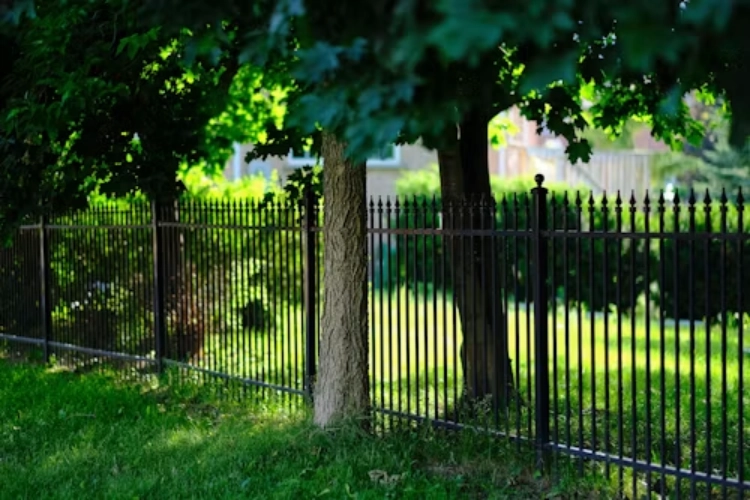
Steel Tubular Fence is a good example. The basic structure is simple, but changes in posts, rails, pickets, spacing, top styles and surface treatment can make the finished fence look and work very differently.
What Steel Fabrication Trends Are Changing Modern Fence Design?
There is no single new process that suddenly changed the fencing industry. Most of the changes are smaller improvements in manufacturing. Put together, though, they make a noticeable difference.
More Accurate Cutting Means Fewer Problems on Site
A fence panel may look simple, but there are quite a few dimensions that need to match.
Posts have to line up with panels. Rails need the right length. Pickets need to stay at the same spacing. Holes, brackets and connection points also need to be in the right place.
When these dimensions are not controlled well, installers usually find out later.
One panel may sit slightly higher than the next. A rail may need trimming. A bracket may not line up properly. On a short fence line, that may only cause a small delay. On a large commercial or industrial project, it adds up quickly.
Better cutting accuracy helps avoid this.
It also improves appearance. Straight lines and even spacing matter more on modern projects, especially around residential developments, schools, offices, parks and public buildings.
Welding Is Not Only About Strength
Welding is still one of the basic parts of steel fence production.
The difference now is that buyers pay more attention to the finished welds.
A rough weld can affect coating. It can also make the fence look untidy, even when the structure itself is strong enough.
Steel Tubular Fence may use Spot Welding, Plug-In or Face Welding depending on the design. Some systems also use clamps or brackets between the rail and post.
There is no one connection method that works best for every project. A simple residential fence and a security fence around an industrial site may need different structures.
The main point is consistency. Welds and connections should match the design instead of being treated as an afterthought.
Modular Fence Parts Are Becoming More Common
Many contractors do not want to do a lot of cutting and welding on site.
It takes time. It also makes installation quality harder to control.
That is why more fencing systems are being prepared as complete sets before shipment. Panels, posts, rails, gates and fence fittings are produced to work together.
This is useful for large orders.
The installer knows which panel goes with which post. The brackets already match. Gate dimensions can be confirmed before loading. Replacement parts are easier to identify later as well.
Steel Tubular Fence works well with this kind of setup because the same product family can use different rail quantities, picket sizes, posts and connection methods without changing the whole system.
Why Does Surface Treatment Matter More in Modern Fencing Designs?
Surface treatment used to be discussed mainly as an anti-rust issue.
It still is, but buyers also look at color and appearance now.
Galvanizing Is Still the Basic Protection
Steel used outdoors needs corrosion protection.
Rain, moisture and changing weather conditions will eventually affect untreated steel. For industrial fencing or infrastructure projects, this is usually one of the first things buyers ask about.
Galvanizing helps protect the steel surface and extend the working life of the fence.
The required treatment should be confirmed before production because it affects both cost and the final product.
A fence for an inland warehouse may not need exactly the same treatment as one installed near the coast. The environment matters.
Powder Coating Changes the Look of the Fence
Powder Coating gives buyers more choice in appearance.
Black is common. Anthracite grey is also used a lot on newer commercial and residential projects. Green is still popular for parks, gardens, schools and other landscaped areas.
Color sounds like a simple detail, but coating quality depends heavily on the steel underneath.
Weld areas need proper preparation. Corners and joints need even coverage. If the surface preparation is poor, a nice color will not solve the problem.
This is why Powder Coating should be considered as part of steel fabrication, not just the last step before packing.
How Does Custom Steel Fabrication Affect Fence Style?
One reason Steel Tubular Fence is used in many different projects is that small changes can create a very different result.
The structure does not have to be redesigned from zero each time.
Top Style Makes a Big Difference
Flat Top fencing has a clean appearance. It is often suitable for schools, residential areas, parks and commercial buildings.
Spear Top gives a stronger security look.
Bending Top is another option when the project needs something different from a standard straight profile.
BENDIN also provides Aluminum Top, Flat Blade and Vertical Blade styles.
The top profile changes more than appearance. It also changes how people read the fence. Some designs feel open and simple. Others clearly show that the area is restricted.
That is worth considering at the design stage.
Rail and Picket Choices Also Change the Result
Rail quantity is another detail buyers sometimes overlook.
Steel Tubular Fence can use 2-Rail, 3-Rail or 4-Rail structures depending on the model and project requirement.
Picket size and spacing matter too.
Closer spacing can make the boundary feel more closed. Wider spacing gives a more open look and keeps better visibility through the fence.
Post size also needs to match the height and structure.
These details are not very exciting on a quotation sheet, but they have a big effect once hundreds of meters of fence are installed.
Gates and Fence Fittings Need to Match the Fence
A fence project is rarely just fence panels.
There are usually corners, gates, changes in direction and different ground conditions.
That means fence fittings matter.
Brackets, clamps, bolts, posts, hinges and gate hardware should be confirmed together with the main fence.
In some projects, the panel specification is clear, but the gate or fitting details are confirmed too late.
It is much easier to solve these details before production.
Where Does Modern Steel Tubular Fence Work Best?
There is no single answer because the same fence can be adjusted for different projects.
Residential and commercial sites often care more about appearance. Flat Top Steel Tubular Fence with Powder Coating is a common choice because it looks neat without appearing too heavy.
Schools and parks usually need good visibility and a safer-looking profile. Color may also matter because the fence often sits next to landscaping, sports areas or public walkways.
Industrial sites tend to focus more on strength, controlled access and long service life.
Even then, the whole site does not always use one design.
The front entrance may use a cleaner Steel Tubular Fence because customers and staff see it every day. A restricted section farther inside the property may use a stronger security configuration.
That kind of mixed layout is becoming normal on larger projects.
What Should B2B Buyers Confirm Before Ordering?
The easiest way to avoid problems is to confirm the main details before production starts.
Fence height and panel width should be clear. So should post size, rail size, picket size, picket spacing and top style.
Gate locations are important too.
Then check how the panels connect to the posts. Will the system use brackets, clamps or another connection method? Is the fence buried directly into the ground or installed with a base plate?
Surface treatment also needs to be written clearly on the order.
If Powder Coating is required, confirm the color. If galvanizing is required, confirm the expected treatment according to the project environment.
For larger jobs, drawings are useful. They do not need to be complicated. Even a clear layout showing fence sections, corners and gates can prevent a lot of confusion later.
Packing should not be ignored either.
Panels, posts, gates and fence fittings need to arrive in usable condition. Coated surfaces should be protected from scratching, and small accessories should be packed in a way that makes them easy to find during installation.
Why Is Steel Tubular Fence a Good Match for Modern Fencing Designs?
Steel Tubular Fence gives buyers quite a lot of room to adjust the design without making the product unnecessarily complicated.
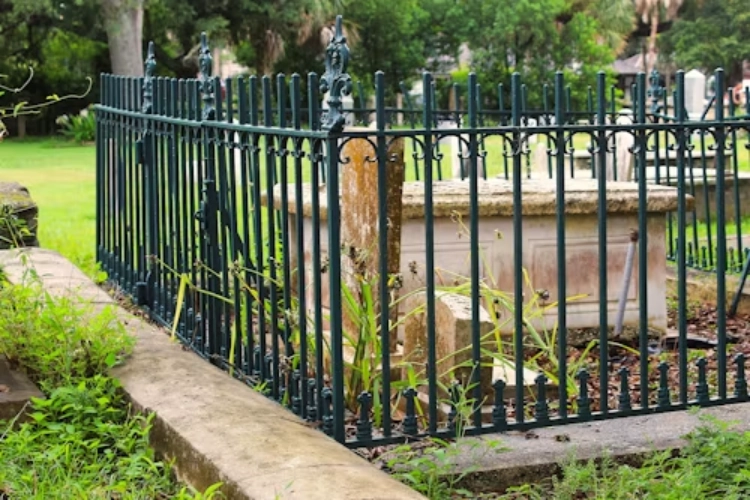
BENDIN offers Flat Top, Spear Top, Aluminum Top, Bending Top, Flat Blade and Vertical Blade options. Different post sizes, rail sizes, picket dimensions, spacing and connection methods are also available.
That makes the product useful for several types of projects instead of only one fixed application.
A contractor may need a simple fence for a residential project. A distributor may want several standard models for local stock. An industrial buyer may need a heavier version with different height and top style.
The same Steel Tubular Fence category can cover all three, as long as the fabrication details are confirmed properly.
Conclusion
Modern fencing design is closely tied to steel fabrication.
Accurate cutting helps panels line up properly. Welding affects both strength and appearance. Modular parts reduce work during installation. Galvanizing and Powder Coating protect the steel and also affect the final look.
Then there are the details buyers actually see: posts, rails, pickets, spacing, top styles, gates and fence fittings.
For a Steel Tubular Fence project, these should be considered together.
A good fence does not need to be complicated. It just needs the right structure, the right fabrication method and the right finish for the job.
FAQ
What Are the Main Steel Fabrication Trends in Modern Fencing?
More accurate cutting, better welding, modular parts and improved surface treatment are some of the main changes. Buyers are also asking for more choices in posts, rails, pickets, top styles and fence fittings instead of using one standard design for every project.
Why Is Steel Tubular Fence Common in Modern Fencing Designs?
Steel Tubular Fence is easy to adjust for different projects. The height, rail quantity, picket spacing, post size, top style and finish can all be changed without completely redesigning the fence system.
Is Powder Coating Better Than Galvanizing for Steel Fencing?
They do different jobs. Galvanizing is mainly used for corrosion protection, while Powder Coating also gives buyers more color choices. The right option depends on where the fence will be installed, the required service life and the appearance the project needs.
What Should B2B Buyers Check Before Ordering Steel Tubular Fence?
B2B buyers should confirm the panel size, post size, rails, pickets, spacing, top style, surface treatment and connection method first. Gate sizes and fence fittings should also be confirmed before production. For larger projects, it is better to approve the drawing before the order goes into mass production.