


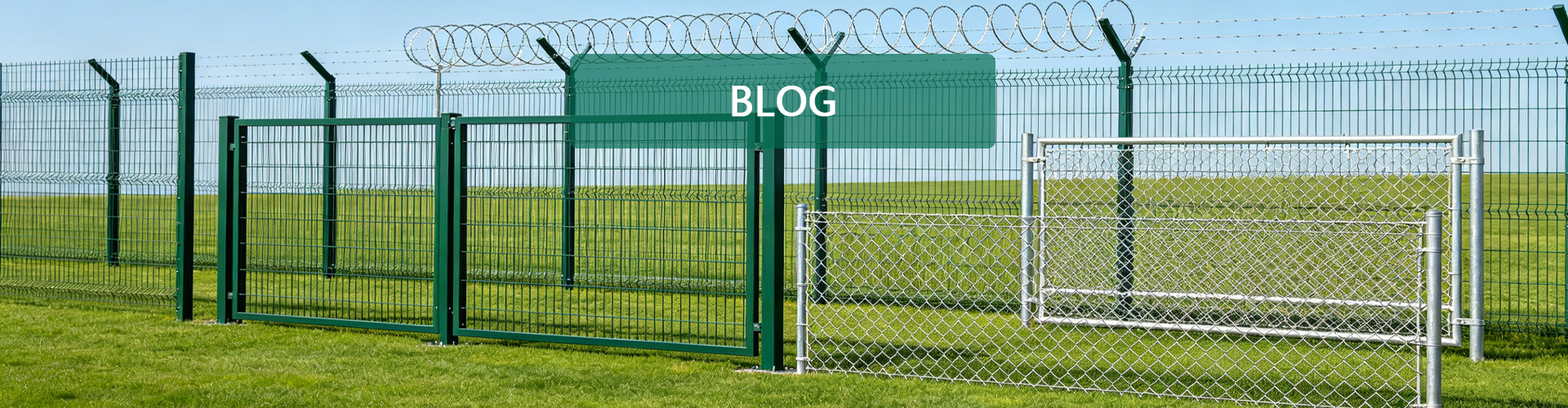
Double Wire Fence (2D Fence): Specifications, 656 vs 868 and Applications
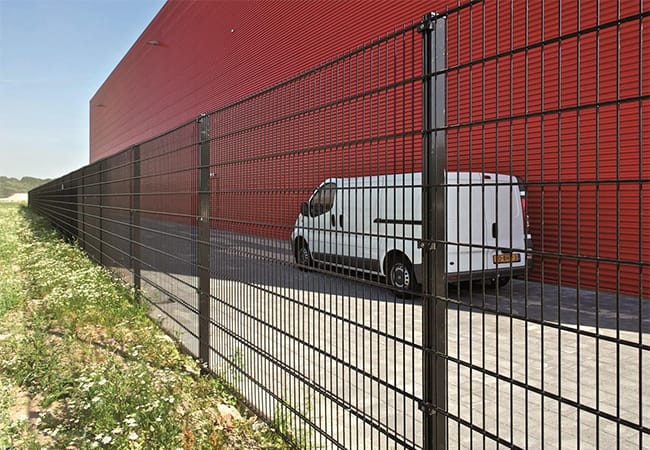
Double wire fencing, also known as 2D fencing or double horizontal wire fencing, is widely used for industrial, commercial, educational and public perimeter applications.
Its distinctive welded mesh construction combines two horizontal wires with one vertical wire at each crossing, creating a rigid panel with a flat, modern appearance.
Compared with many conventional single-wire welded mesh panels, double wire fencing can offer greater panel stiffness when the wire dimensions and other design conditions are comparable.
BenDin manufactures customizable double wire fence systems for international contractors, distributors and project buyers.
This guide explains common 656 and 868 configurations, panel dimensions, coatings, posts, installation options and purchasing considerations.
What Is a Double Wire Fence?
A double wire fence is a welded steel mesh fencing system featuring two horizontal wires positioned on opposite sides of a single vertical wire.
The wires are welded together to form a rigid panel.
Unlike 3D V-bend fencing, which uses reinforcement bends, double wire fence panels generally have a flat profile.
The design is commonly selected for projects requiring:
- Rigid welded mesh panels
- Clear perimeter visibility
- Modern architectural appearance
- Modular installation
- Customizable heights and finishes
- Compatible gates and posts
The final strength of the fencing system depends on the complete design, including wire sizes, panel dimensions, posts, fixings and foundations.

656 vs 868 Double Wire Fence
Two widely recognized double wire fence configurations are 656 and 868.
These numbers refer to the nominal diameters of the horizontal and vertical steel wires.
656 Double Wire Fence
A 656 fence typically uses:
- Two horizontal wires: 6 mm each
- One vertical wire: 5 mm
This configuration offers a balance between rigidity, material usage and project cost.
868 Double Wire Fence
An 868 fence typically uses:
- Two horizontal wires: 8 mm each
- One vertical wire: 6 mm
The larger wire diameters generally produce a heavier and more rigid panel than an otherwise comparable 656 configuration.
656 vs 868 Comparison
| Feature | 656 Fence | 868 Fence |
|---|---|---|
| Horizontal Wires | 2 × 6 mm | 2 × 8 mm |
| Vertical Wire | 5 mm | 6 mm |
| Panel Weight | Generally Lower | Generally Higher |
| Panel Rigidity | Moderate to High | Generally Higher |
| Material Cost | Generally Lower | Generally Higher |
| Typical Applications | Schools, Residential, Commercial | Industrial, Logistics, Demanding Perimeters |
Actual performance depends on panel dimensions, mesh geometry, material properties and installation details.
Typical Double Wire Fence Specifications
BenDin can manufacture double wire fencing according to confirmed project requirements.
| Item | Typical Options |
|---|---|
| Product Type | Double Wire / 2D Welded Mesh Fence |
| Steel Material | Low-Carbon Steel |
| Wire Configuration | 656 / 868 |
| Horizontal Wire Diameter | 6 / 8 mm |
| Vertical Wire Diameter | 5 / 6 mm |
| Mesh Opening | 50×200 mm |
| Panel Height | 1,030–2,430 mm |
| Panel Width | 2,000 / 2,500 / 3,000 mm |
| Surface Treatment | Galvanized / Powder Coated / Duplex |
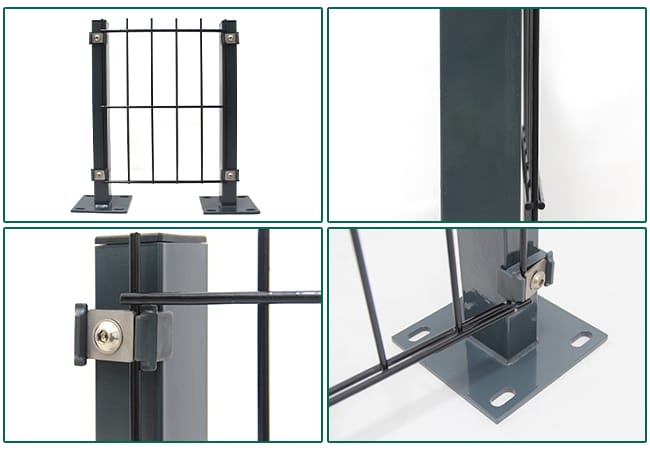
| Post Type | Square / Rectangular / Round / Profiled |
| Common Colors | RAL 6005 / RAL 7016 / RAL 9005 |
| Installation | Embedded Posts / Base Plates |
| Gates | Pedestrian / Vehicle Gates |
These are typical industry configurations, not a verified complete BenDin product catalogue. Available panel heights, wire sizes and manufacturing tolerances should be confirmed before quotation or publication.
Why Double Horizontal Wires Improve Rigidity
The double horizontal wire structure is the main feature of 2D fencing.
At each welded crossing, the vertical wire is connected to two horizontal wires.
This arrangement increases the amount of steel in the horizontal direction and can improve resistance to panel deformation compared with a similarly sized single-horizontal-wire design.
However, higher rigidity does not automatically make a fence suitable for all high-security applications.
Projects requiring certified resistance to climbing, cutting or forced entry should specify and evaluate an appropriate complete security system.
Surface Treatment Options
Double wire fencing is commonly installed outdoors, making corrosion protection an important purchasing consideration.
Hot-Dip Galvanizing
Galvanizing provides a protective zinc coating on steel.
The galvanizing process and coating requirements should be confirmed according to the project specification.
Powder Coating
Powder coating provides a decorative colored finish.
Polyester powder coatings are commonly considered for outdoor steel fencing.
Galvanized and Powder-Coated Finish
A combined galvanized and powder-coated system can provide corrosion protection together with a selected architectural color.
The performance of any coating system depends on surface preparation, coating specifications and environmental exposure.
Choosing Posts for Double Wire Fence
A double wire fence panel must be supported by appropriately selected posts and connections.
Common options include:
Square Posts: Suitable for many commercial and industrial installations.
Rectangular Posts: May be selected according to structural or connection requirements.
Round Posts: Used where compatible fittings and post designs are specified.
Profiled Posts: Specialized profiles may be available for particular fence systems.
Post dimensions, wall thickness, spacing and foundations should be determined according to the fence height, site conditions and applicable design loads.
Double Wire Fence Applications
Schools and Educational Facilities
Double wire fencing provides clear boundaries while maintaining visibility.
Panel openings, fence height, gates and other details should be selected according to the facility’s safety requirements.
Industrial Parks
Industrial sites often require rigid fencing for perimeter separation and access control.
Double wire fencing can be combined with matching gates and controlled entry points.
Logistics Centers
Logistics facilities may use double wire fencing to separate site boundaries, parking areas and restricted zones.
Where vehicle impacts are a concern, separate engineered impact protection may be necessary.
Residential Communities
The flat mesh appearance and available RAL colors make double wire fencing suitable for selected residential developments.
Sports Facilities
Double wire fencing can be considered for certain sports facility boundaries.
The required height, mesh dimensions and structural performance depend on the activity.
Example: 600-Meter Logistics Facility Fence
Consider a logistics facility requiring approximately 600 meters of perimeter fencing.
A preliminary project specification might include:
| Item | Example Requirement |
|---|---|
| Total Fence Length | 600 m |
| Fence Type | 868 Double Wire Fence |
| Fence Height | 2,030 mm |
| Panel Width | 2,500 mm |
| Mesh Opening | 50×200 mm |
| Surface Treatment | Galvanized + Powder Coated |
| Color | RAL 7016 Anthracite Grey |
| Posts | Square Steel Posts |
| Gates | According to Site Layout |
Using nominal 2.5-meter panel sections:
600 ÷ 2.5 = approximately 240 panels.
The final quantity of panels, posts, clamps and foundations depends on gates, corners and the actual site dimensions.
This is an illustrative procurement example, not a claimed completed BenDin customer project.
Double Wire Fence vs 3D Fence
Both double wire and 3D welded mesh fencing are used for perimeter applications, but their reinforcement methods differ.
| Feature | Double Wire Fence | 3D V-Bend Fence |
|---|---|---|
| Panel Profile | Flat | V-Shaped Reinforcement Bends |
| Reinforcement | Double Horizontal Wires | Formed Panel Bends |
| Common Wire Sizes | 656 / 868 | Often 4–5 mm |
| Appearance | Flat and Linear | Folded Mesh Profile |
| Typical Selection Factors | Rigidity, Flat Design | Cost, Weight, Panel Design |
Neither fence type is universally better. Selection should be based on project requirements, complete system performance and budget.
How to Choose the Right Double Wire Fence
For international project purchasing, buyers should confirm:
1. Wire Configuration: Select 656 or 868 according to the required panel properties.
2. Panel Dimensions: Confirm height, width and mesh opening.
3. Surface Treatment: Specify galvanizing and coating requirements.
4. Post System: Confirm post dimensions, spacing and fixing methods.
5. Installation Conditions: Identify foundation requirements and site exposure.
6. Gates and Accessories: Include matching gates, clamps, bolts and other components.
7. Packaging: Confirm panel stacking, post bundles and shipment requirements.
Complete specifications help buyers compare quotations more accurately.
Custom Double Wire Fence Manufacturing
BenDin manufactures double wire fence systems according to confirmed project specifications.
Customization options include:
- 656 and 868 wire configurations
- Panel height and width
- Mesh opening
- Galvanized surface treatment
- Powder-coated colors
- Post profiles
- Post dimensions
- Fixing accessories
- Pedestrian gates
- Vehicle gates
- Export packaging
For large projects, buyers can provide technical drawings or tender specifications before production.
Quality Control Considerations
Quality inspection for double wire fencing can include:
- Horizontal and vertical wire diameter
- Mesh opening dimensions
- Weld appearance and integrity
- Panel flatness
- Overall panel dimensions
- Surface coating
- Post dimensions
- Connection compatibility
- Packaging
Any specified performance testing should be agreed before production.
Frequently Asked Questions
What does 656 mean in double wire fencing?
656 refers to a typical configuration with two 6 mm horizontal wires and one 5 mm vertical wire.
What does 868 mean in double wire fencing?
868 refers to a typical configuration with two 8 mm horizontal wires and one 6 mm vertical wire.
Is 868 double wire fence stronger than 656?
An otherwise comparable 868 panel generally contains thicker wires and offers greater rigidity, but complete system performance depends on additional design factors.
What is the common mesh opening for double wire fence?
50×200 mm is a widely used configuration, although customized openings may be available.
Can double wire fencing be powder coated?
Yes. Double wire fencing can be supplied with suitable galvanized, powder-coated or combined finishes according to project requirements.
Can BenDin supply posts and gates?
Yes. Compatible posts, fixings and gates can be manufactured according to confirmed specifications.
Request a Double Wire Fence Quote
BenDin supplies customizable 656 and 868 double wire fencing for industrial parks, logistics centers, schools, residential developments and commercial projects.
For an accurate quotation, provide:
656 or 868 configuration + panel height + panel width + mesh opening + surface treatment + post dimensions + gates + quantity + destination.
BenDin can manufacture double wire panels, posts, gates and accessories according to confirmed project requirements.